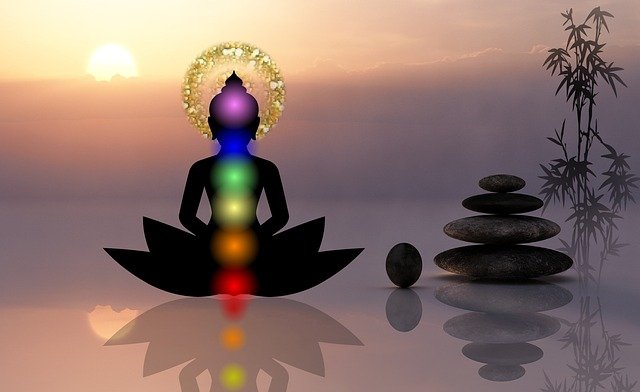
Walking meditation is a simple yet powerful practice that blends gentle movement with focused awareness, helping you reconnect with the present moment. Unlike seated meditation, it invites mindfulness into everyday motion, making it accessible for busy lives. In this guide, you will learn what walking meditation is, its benefits, how to practice it correctly, and how to weave it into your daily routine for lasting inner peace.
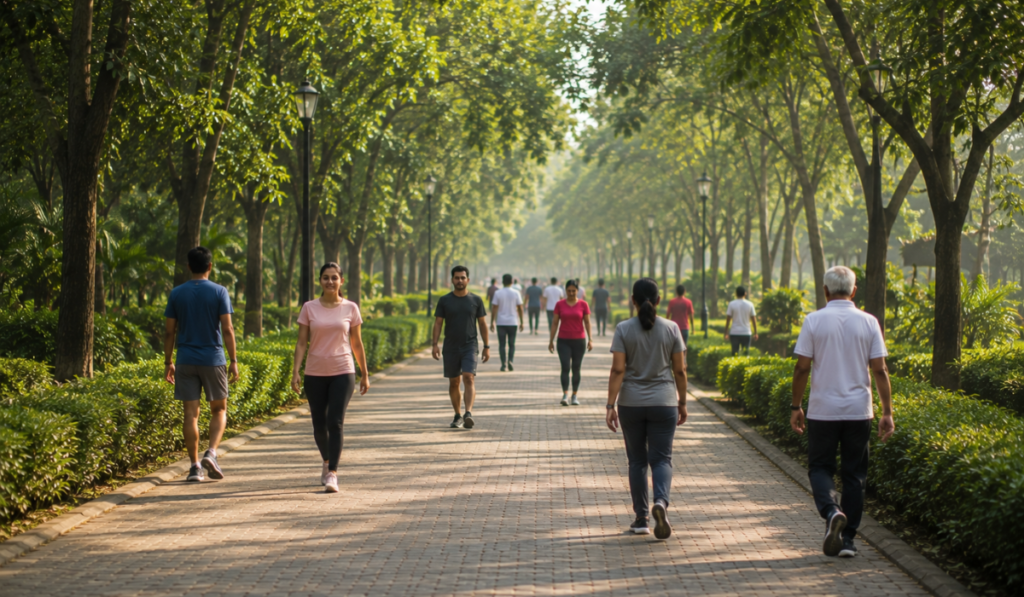
What Is Walking Meditation?
Walking meditation is a mindfulness practice where you bring full, non-judgmental attention to the physical act of walking. Instead of walking to reach a destination, you walk simply to be present, noticing each step, each shift of weight, and each breath. This ancient technique has roots in Buddhist monastic traditions, where monks used it to balance long hours of seated stillness. Today, it has evolved into a modern wellness tool used by therapists, yoga teachers, and mindfulness coaches worldwide. The core idea remains the same: slow down, observe the body in motion, and let the mind settle naturally without forcing stillness.
How It Differs From Regular Walking
Regular walking is often goal-driven, we walk to get somewhere, burn calories, or finish a task quickly. Walking meditation removes that urgency entirely. There is no destination that matters more than the walk itself. Every sensation, the pressure of your foot on the ground, the rhythm of your breath, the sounds around you, becomes the focus. This shift in intention transforms an ordinary activity into a doorway toward calm awareness and emotional balance.
Benefits of Walking Meditation for Mind, Body, and Spirit
Walking meditation offers a unique combination of physical movement and mental stillness, making it especially valuable for people who find seated meditation challenging. It supports holistic wellness by working on multiple levels simultaneously.
Mental and Emotional Benefits
Practicing walking meditation regularly can reduce stress, anxiety, and mental clutter. Because it requires sustained attention on simple sensations, it naturally interrupts repetitive worry patterns and racing thoughts. Many practitioners report feeling calmer, more grounded, and emotionally balanced after just a short session. Over time, this practice can also improve focus and emotional resilience, helping individuals respond to daily challenges with greater patience rather than reactive stress.
Physical Benefits
Unlike static meditation, walking meditation keeps the body gently active. It improves circulation, supports joint mobility, and can be especially helpful for people who sit for long hours during the day. Since it is low-impact, it suits nearly all fitness levels, including older adults and those recovering from physical strain. The slow, mindful pace also encourages better posture and breathing habits, which contribute to overall physical well-being.
Spiritual Benefits
For those on a path of spiritual growth, walking meditation offers a way to connect with something larger than daily routine. Many ancient wisdom traditions view walking as a form of moving prayer or meditation on nature and life itself. This practice can deepen a sense of gratitude, presence, and connection to the earth, supporting the broader journey toward inner transformation and conscious living.
How to Practice Walking Meditation Step by Step
Getting started with walking meditation does not require special equipment or a specific location. A quiet park, garden, or even a hallway at home can work well.
Choosing the Right Space
Select a calm, distraction-free area where you can walk slowly for at least ten to twenty steps in one direction before turning around. Nature settings such as gardens, parks, or quiet trails often enhance the experience because they add gentle sensory input like birdsong or rustling leaves. However, indoor spaces work equally well for beginners who prefer privacy.
Step-by-Step Practice
- Stand still for a moment and take a few deep breaths to settle your mind.
- Begin walking slowly, deliberately slower than your normal pace.
- Focus attention on the sensation of lifting, moving, and placing each foot.
- Notice your breath naturally syncing with your steps, without forcing a rhythm.
- When your mind wanders, gently bring attention back to the physical sensations of walking.
- Continue for five to twenty minutes, gradually increasing duration as you become comfortable.
Common Mistakes Beginners Make
Many beginners try to control their breath too rigidly or walk unnaturally slow to the point of discomfort. Others feel frustrated when their mind wanders frequently, believing they are doing it wrong. In reality, noticing distraction and returning attention to the walk is the practice itself, not a failure of it. Patience and consistency matter far more than perfection.
Walking Meditation Techniques for Different Needs
Different variations of walking meditation can be chosen based on personal goals, whether that is stress relief, spiritual reflection, or physical grounding.
Mindful Nature Walks
This technique emphasizes connecting with the natural environment. As you walk, pay attention to colors, textures, sounds, and smells around you. This approach works particularly well for people seeking a break from screens and urban noise, offering a refreshing reset for the senses.
Breath-Synchronized Walking
Here, each step is gently paired with an inhale or exhale, such as two steps per breath in and two steps per breath out. This technique is useful for those who want a more structured practice, especially beginners who find open awareness overwhelming at first.
Labyrinth or Circular Walking
Rooted in ancient spiritual traditions, circular or labyrinth walking involves moving along a defined path, often in a spiral, while reflecting inwardly. This method is popular in retreat centers and wellness communities because it combines movement, symbolism, and meditative focus into a single practice.
Incorporating Walking Meditation Into Daily Life
Walking meditation does not require a dedicated hour each day to be effective. Even five to ten minutes during a lunch break, morning routine, or evening wind-down can create meaningful shifts in mindfulness and emotional balance.
Practical Tips for Consistency
- Start small, with just five minutes daily, before extending the duration.
- Choose a consistent time, such as early morning or after work, to build a habit.
- Pair walking meditation with an existing routine, like a daily errand or short break.
- Keep a simple journal to note how you feel before and after each session.
- Join a local mindfulness or walking group to stay motivated and build community connection.
Walking meditation is a practical, accessible bridge between ancient wisdom and modern wellness needs. Whether practiced alone in a quiet garden or as part of a larger mindfulness routine, it offers a grounded path toward greater awareness, emotional balance, and holistic well-being for anyone willing to slow down and simply walk with intention.