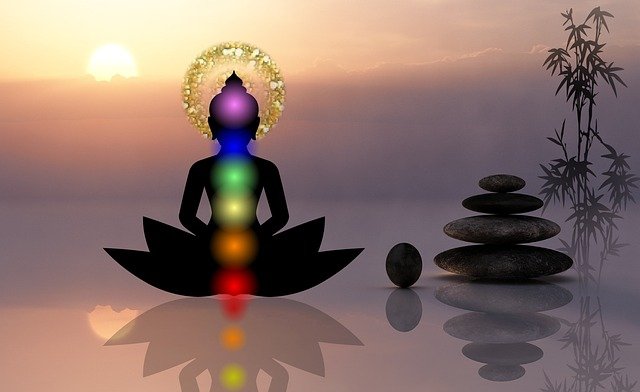
Modern life often brings constant stress, mental distractions, physical tension, and emotional fatigue. Finding time to reconnect with yourself has become essential for overall wellbeing. Floatation Therapy offers a peaceful environment where the mind and body can relax through sensory reduction and weightless floating in warm, salt-rich water. This blog explores its wellness benefits, connection with mindfulness, and role in supporting a balanced lifestyle and healthier communities.
What Is Floatation Therapy?
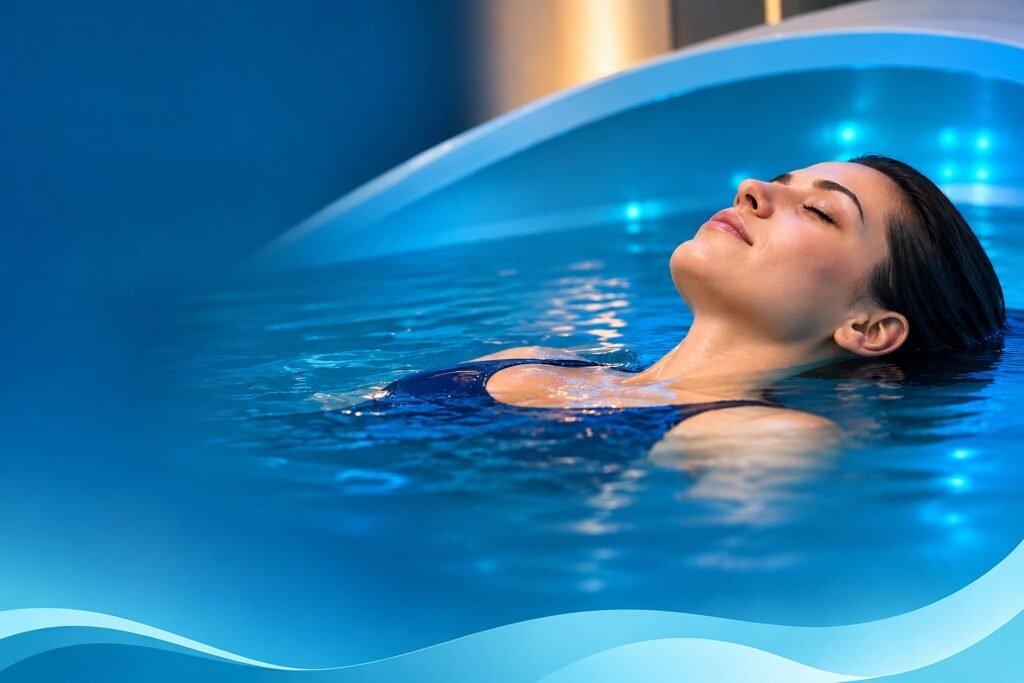
Floatation Therapy is a relaxation practice in which a person floats effortlessly in a specially designed tank or private pool filled with warm water and a high concentration of Epsom salt. The salt increases water density, allowing the body to float comfortably without physical effort. The environment is designed to reduce external sensory stimulation, including light, sound, and distractions.
Also known as Sensory Deprivation Therapy or Isolation Tank Therapy, this practice encourages individuals to step away from everyday demands and experience a quieter environment. A typical session lasts between 60 and 90 minutes, although durations vary between wellness centres. Float Tank Therapy provides an opportunity to focus on breathing, physical sensations, and awareness without the usual interruptions of daily life.
How Floatation Therapy Supports Mind-Body Wellness
Mind-body wellness refers to the connection between mental, physical, and emotional wellbeing. When people experience ongoing stress, their bodies may respond through muscle tension, disturbed sleep, and difficulty relaxing. Floatation Therapy creates an environment that encourages physical rest and mental stillness.
During a session, the body is supported by buoyant salt water, reducing the need to maintain physical balance. With fewer external distractions, individuals can become more aware of their breathing and internal experiences. This relaxed setting may support mindfulness, self-awareness, and a greater appreciation of the connection between thoughts, emotions, and physical sensations.
1. Float Therapy for Stress Relief
One of the most recognised Floatation Therapy Benefits is its potential to promote relaxation. Everyday responsibilities, work pressure, and digital distractions can make it difficult to find moments of genuine rest. Floating offers a quiet environment where individuals can temporarily disconnect from these demands.
The combination of warm water, reduced sensory input, and physical support may help people feel calmer. Some individuals report feeling mentally refreshed after a session. Float Therapy for Stress Relief can complement other healthy stress-management practices, including breathing exercises, yoga, meditation, and spending time in nature.
2. Floatation Therapy for Anxiety and Emotional Wellbeing
Constant stimulation and stressful routines can contribute to feelings of mental overload. Floatation Therapy for Anxiety may offer some individuals a peaceful setting to practise relaxation and become more aware of their emotional responses.
Reduced external stimulation can make it easier to focus on breathing and present-moment awareness. However, floating is not a replacement for professional mental health treatment. People experiencing persistent anxiety or emotional distress should consult a qualified healthcare professional and consider float sessions only as a complementary wellness practice.
3. Float Therapy for Muscle Recovery and Physical Relaxation
Physical recovery is an important part of maintaining a healthy lifestyle. Exercise, prolonged sitting, and demanding daily activities can leave muscles feeling tired and tense. Float Therapy for Muscle Recovery provides buoyant support that reduces the effort required to maintain body posture.
Epsom Salt Float Therapy uses water containing magnesium sulfate. The buoyancy helps relieve pressure associated with supporting the body’s weight, potentially making the experience comfortable for people seeking physical relaxation. However, claims that magnesium is absorbed through the skin in meaningful amounts or that floating directly accelerates muscle healing require further scientific evidence.
4. Floatation Therapy for Better Sleep
Quality sleep supports emotional balance, concentration, energy, and physical health. Yet, stress and excessive stimulation can make it difficult to unwind before bedtime. Floatation Therapy for Sleep focuses on creating an opportunity for deep relaxation and reduced mental stimulation.
Some individuals find that floating helps them feel calmer and more prepared for rest. Incorporating a session into a broader sleep-wellness routine may be helpful. Consistent sleep schedules, reduced evening screen time, comfortable sleeping conditions, and relaxation exercises should remain important parts of a healthy sleep routine.
Floatation Therapy and the Connection with Meditation
Meditation and floating share an important purpose: creating opportunities to become more aware of the present moment. Both practices encourage individuals to observe their thoughts, breathing, and physical sensations without immediately reacting to them.
Floatation Therapy vs Meditation
Although they share similarities, these practices offer different experiences. Meditation generally involves consciously directing attention through breathing, observation, or guided techniques. Floating reduces external sensory stimulation, allowing individuals to experience stillness with minimal physical effort.
For beginners, floating may provide a comfortable introduction to quiet reflection, while experienced meditators may use sessions to explore deeper relaxation. Neither practice is universally better. Combining both can create a balanced approach to mindfulness, depending on personal preferences and comfort levels.
What to Expect During Your First Floatation Therapy Experience
Understanding the process can make your first session more comfortable. A Floatation Therapy Experience usually begins with a short introduction from the wellness centre, followed by time to shower and enter the float tank.
The water is generally maintained close to skin temperature, and the high salt concentration supports effortless floating. Depending on the facility, participants can choose between different lighting and sound settings.
Float Therapy for Beginners:
- Shower before entering the tank.
- Remove jewellery and follow the centre’s hygiene instructions.
- Avoid shaving immediately before your session because salt water may irritate sensitive skin.
- Keep water away from your eyes.
- Allow yourself time to become comfortable with the environment.
- Follow the centre’s instructions regarding session duration and safety.
Remember that there is no correct way to experience floating. Some people relax immediately, while others need time to adjust. You can end your session whenever you feel uncomfortable.
Making Floatation Therapy Part of a Holistic Wellness Lifestyle
Floatation Therapy can become more meaningful when combined with other wellness practices. Holistic wellbeing is not based on one activity. It develops through consistent habits that support physical health, emotional balance, mental clarity, and personal growth.
Consider combining floating with:
- Yoga: Gentle yoga movements support flexibility, body awareness, and mindful breathing.
- Meditation: Regular meditation encourages attention, emotional awareness, and inner stillness.
- Mindful living: Taking intentional breaks from technology can reduce unnecessary distractions.
- Healthy nutrition: Balanced meals and adequate hydration support everyday wellbeing.
- Time in nature: Walking outdoors can encourage relaxation and a stronger connection with the environment.
These practices reflect an important principle of holistic living: caring for yourself involves more than physical fitness. It also includes nurturing your thoughts, relationships, emotions, and sense of purpose.
Building Wellness Communities Through Shared Experiences
Personal wellness becomes more powerful when supported by a positive community. Wellness-focused organisations and non-profit foundations can make practices such as meditation, yoga, mindfulness, and Floatation Therapy more accessible through educational programmes, workshops, and community initiatives.
Wellness communities also create opportunities for people to exchange experiences, learn from one another, and develop healthier habits. Foundations working towards future Wellness Villages can help bring together natural living, holistic education, community participation, and personal transformation.
Individuals can contribute by becoming members, volunteering their time, sharing educational resources, or supporting wellness projects through donations. Every contribution can help strengthen community-based initiatives and create opportunities for more people to explore healthier and more mindful lifestyles.
Frequently Asked Questions About Floatation Therapy
1. What are the main benefits of Floatation Therapy?
Floatation Therapy may encourage relaxation, reduce perceived stress, support physical comfort, and create opportunities for mindfulness. Some individuals also report improved sleep and mental refreshment following sessions. Experiences vary, and scientific evidence is still developing for several claimed benefits. It is best considered a complementary wellness practice rather than a replacement for medical treatment or established healthcare recommendations.
2. How long does a typical Floatation Therapy session last?
A typical Floatation Therapy session lasts approximately 60 to 90 minutes, depending on the wellness centre and individual preference. First-time participants may prefer starting with a shorter session if available. The experience generally includes preparation, showering, floating, and time to relax afterward. Following the centre’s guidance can help make the session comfortable and enjoyable.
3. Is Floatation Therapy suitable for beginners?
Yes, many wellness centres welcome first-time participants and provide instructions before the session. Beginners can learn how the tank works, understand the floating environment, and choose comfortable lighting or sound settings where available. People who feel uncomfortable in enclosed spaces or have specific medical concerns should discuss their suitability with the centre and a healthcare professional before booking.
4. Is Floatation Therapy better than meditation?
Neither practice is necessarily better because they support relaxation in different ways. Meditation involves actively developing awareness and attention, while floating reduces external sensory stimulation and provides physical support through buoyancy. Some individuals prefer meditation, while others enjoy floating. Both can complement each other within a holistic wellness routine focused on mindfulness and personal growth.
5. How can I support community wellness initiatives and future Wellness Villages?
You can support community wellness initiatives by becoming a foundation member, volunteering at educational programmes, participating in wellness events, or contributing donations towards community projects. Sharing reliable wellness information and encouraging others to explore healthy practices can also make a difference. Collective participation helps organisations expand educational opportunities and work towards accessible, community-centred Wellness Villages.