
Struggling to fall asleep or stay asleep through the night is one of the most common challenges people face today. Yoga for Better Sleep offers a natural, time-tested way to calm the nervous system, quiet the mind, and prepare the body for rest. In this guide, you will learn simple yoga poses, breathing techniques, and mindful practices, including Yoga Nidra for Sleep, that can help you build a peaceful nighttime routine rooted in ancient wisdom and modern wellness understanding.
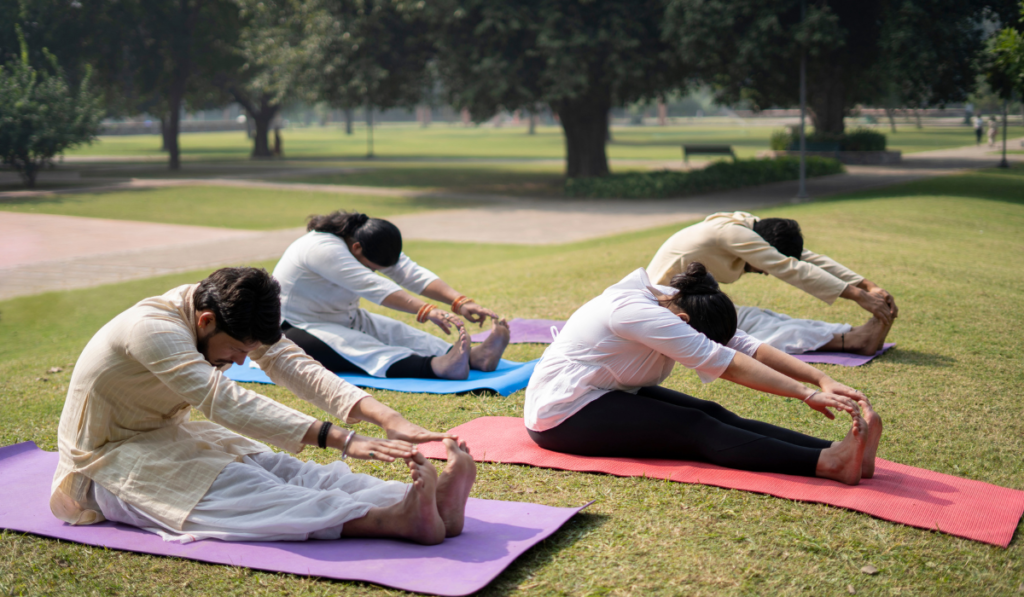
Understanding the Connection Between Yoga and Sleep
Sleep is not just physical rest; it is a state where the mind, body, and spirit reset together. Yoga works on this same triad, which is why it has been used for centuries as a preparation for deep, restorative rest. When practiced consistently, yoga helps regulate the nervous system, lowers cortisol levels, and shifts the body from a state of alertness into one of relaxation. This connection between movement, breath, and stillness is central to why Yoga for Better Sleep continues to be recommended by wellness practitioners and modern researchers alike. Unlike sleeping pills or temporary fixes, yoga addresses the root cause of restlessness by teaching the body how to release tension naturally.
Why Modern Lifestyles Disturb Natural Sleep Patterns
Constant screen exposure, irregular routines, mental overstimulation, and chronic stress have disrupted the body’s natural sleep-wake cycle for millions of people. Our ancestors lived in rhythm with sunlight and natural cues, while modern life keeps the mind switched on late into the night. This imbalance often leads to shallow sleep, frequent waking, and morning fatigue. Practicing yoga in the evening acts as a bridge between the busyness of the day and the stillness needed for sleep. It gently signals to the nervous system that it is safe to slow down, which is especially valuable for people juggling work stress, family responsibilities, and digital overload every single day.
How Yoga for Better Sleep Works on Mind and Body
Yoga influences sleep through multiple pathways at once. Physically, gentle stretches release muscular tension built up during the day. Mentally, focused breathing reduces the constant chatter of an overactive mind. Spiritually, the practice creates a sense of inner stillness that many people describe as deeply grounding. This combined effect is what makes yoga more sustainable than quick fixes, because it trains the body and mind together to recognize the difference between active hours and rest hours, restoring a natural rhythm that supports long-term wellness rather than short-term relief.
Yoga Nidra for Sleep
Yoga Nidra, often called yogic sleep, is a guided relaxation practice performed lying down with closed eyes. It moves the practitioner through layers of awareness, from physical sensation to deep mental stillness, without requiring full sleep. This practice is especially useful for people who struggle with racing thoughts at bedtime, since it gives the mind a structured, gentle focus instead of unstructured worry. Even fifteen to twenty minutes of Yoga Nidra for Sleep can leave a person feeling as refreshed as several hours of regular rest, making it one of the most accessible tools for better sleep.
Yoga Nidra Benefits
The Yoga Nidra Benefits extend beyond sleep alone. Regular practice has been associated with reduced anxiety, improved emotional regulation, lower blood pressure, and a greater sense of overall calm. Many practitioners report waking up with more clarity and less grogginess compared to relying solely on sleep duration. Because Yoga Nidra requires no physical movement, it is accessible to people of nearly all ages and fitness levels, making it an inclusive practice for anyone seeking holistic rest without strain or complicated routines.
Best Yoga Poses for Better Sleep
Certain yoga postures are particularly effective at calming the body before bed. These poses work by relaxing the spine, opening the chest, and slowing the breath, all of which prepare the body for deeper rest.
Gentle Evening Poses
Simple forward folds, seated twists, and reclined stretches are ideal before bedtime because they require minimal effort while still releasing tension from the hips, shoulders, and lower back. Poses such as Child’s Pose, Legs Up the Wall, and Reclined Butterfly are widely recommended because they lower heart rate and encourage slow, steady breathing. These postures do not demand strength or flexibility, which makes them suitable for beginners, older adults, and anyone practicing yoga for the first time as part of a bedtime wind-down routine.
Breathing Techniques (Pranayama)
Breath control, known as pranayama, plays a powerful role in preparing the body for sleep. Techniques such as alternate nostril breathing and extended exhalation activate the parasympathetic nervous system, which is responsible for rest and digestion. Practicing slow, deep breaths for five to ten minutes before lying down can noticeably reduce the time it takes to fall asleep, while also improving the quality of sleep throughout the night by keeping the mind anchored and calm.
Building a Simple Bedtime Yoga Routine
Consistency matters more than intensity when it comes to Yoga for Better Sleep. A short fifteen to twenty minute routine performed at the same time each night helps train the body to associate these movements with winding down. A simple sequence might include two or three gentle stretches, five minutes of slow breathing, and a brief period of stillness or guided relaxation. Keeping the environment dim, quiet, and screen-free during this routine enhances its effectiveness and helps reinforce healthy sleep associations over time.
Ancient Wisdom Meets Modern Wellness Science
Yoga’s approach to sleep is not a modern trend; it draws from thousands of years of contemplative tradition. What makes it especially relevant today is that contemporary research continues to validate these ancient practices, showing measurable effects on stress hormones, heart rate variability, and brain wave patterns during relaxation. This blend of ancient wisdom and modern wellness science is what makes yoga such a trusted, evidence-informed approach to improving sleep quality without relying on artificial aids.
Yoga for Better Sleep as Part of Holistic Living
Sleep does not exist in isolation from the rest of life. Diet, daily stress, emotional well-being, and mindfulness practices all influence how well a person rests at night. Approaching sleep through a holistic lens, where yoga, meditation, and mindful living work together, creates lasting change rather than temporary improvement. This is why many wellness communities encourage practitioners to view better sleep not as a standalone goal, but as one part of a larger journey toward balanced, intentional living.
Be Part of a Growing Wellness Community
Our foundation is dedicated to educating and empowering individuals through meditation, yoga, mindfulness, and holistic wellness practices rooted in ancient wisdom. As a non-profit initiative, we rely on the support of members, volunteers, and donors who share our vision of building Wellness Villages and communities centered on natural living and human upliftment. If this guide has helped you take a step toward better rest, consider exploring our resources, joining our membership, volunteering your time, or supporting our mission so we can continue bringing holistic wellness education to more people around the world.