Anxiety and stress have become part of everyday modern life, affecting sleep, focus, and emotional balance. Breathing exercises for anxiety offer a simple, natural, and scientifically supported way to calm the nervous system without any equipment or cost. In this guide, you will learn how breathing patterns influence the mind and body, along with practical, easy to follow techniques you can use anytime, anywhere to feel calmer, more grounded, and more in control of your emotional state.
Why Breathing Exercises Work for Anxiety Relief
Breathing is one of the few bodily functions that connects directly to both the conscious mind and the autonomic nervous system. When anxiety rises, breathing becomes shallow and rapid, signaling the body to stay in a stressed state. By consciously slowing and deepening the breath, you send a message to the brain that it is safe to relax, which activates the parasympathetic nervous system responsible for rest and recovery.
The Mind-Body Connection
Ancient wellness traditions such as yoga and pranayama have long understood this connection, and modern science now confirms it through research on heart rate variability and vagus nerve stimulation. Controlled breathing lowers cortisol levels, reduces heart rate, and helps regulate emotional responses. This is why breathing exercises for anxiety are often recommended alongside meditation and mindfulness practices for holistic emotional wellness.
How Stress Affects Breathing Patterns
During periods of stress, the body activates a fight or flight response, causing shallow chest breathing instead of deep belly breathing. Over time, this pattern can become habitual, keeping the nervous system in a constant state of alertness even when no real danger exists. Recognizing this pattern is the first step toward retraining the body to breathe in a way that supports calmness rather than chronic tension.
Simple Breathing Techniques for Anxiety and Stress Relief
Practicing structured breathing exercises regularly can help reduce anxiety symptoms over time while also improving focus, sleep quality, and overall emotional resilience. Below are several effective techniques suitable for beginners and experienced practitioners alike.
Diaphragmatic Breathing (Belly Breathing)
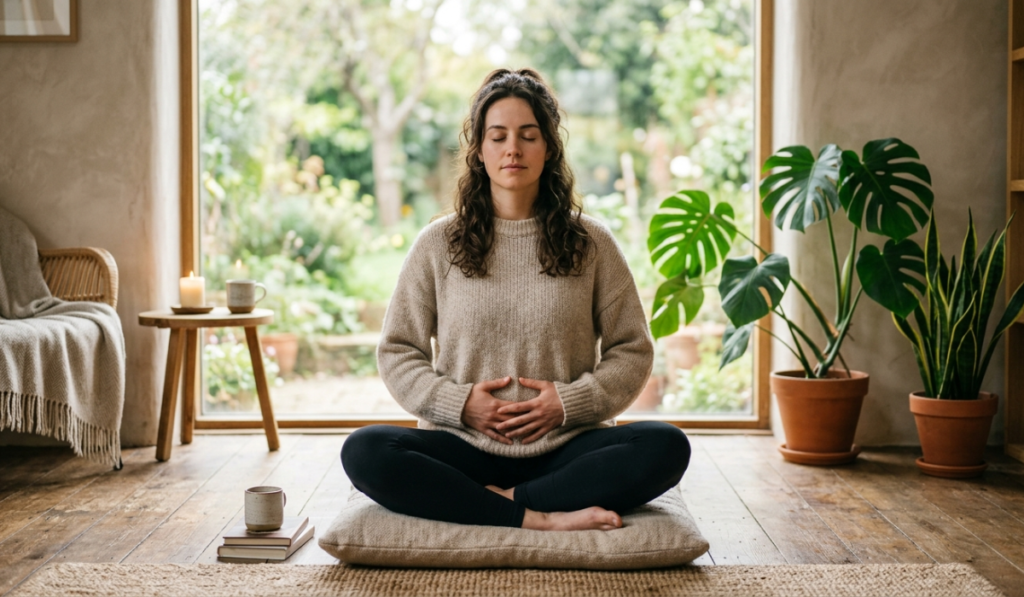
This foundational technique involves breathing deeply into the abdomen rather than the chest, allowing the diaphragm to fully expand. Sit or lie down comfortably, place one hand on your chest and one on your belly, then inhale slowly through your nose so your belly rises while your chest stays relatively still. Exhale gently through your mouth. Practicing this for five to ten minutes daily can significantly reduce baseline anxiety levels.
Box Breathing
Box breathing is a structured technique used by athletes, healthcare professionals, and mindfulness practitioners to quickly restore calm during stressful moments. Inhale for four counts, hold for four counts, exhale for four counts, and hold again for four counts before repeating the cycle. This rhythmic pattern helps regulate the nervous system and brings mental clarity, making it especially useful before important meetings, exams, or public speaking situations.
4-7-8 Breathing Technique
Developed to promote relaxation and improve sleep, this method involves inhaling quietly through the nose for four counts, holding the breath for seven counts, and exhaling completely through the mouth for eight counts. Repeating this cycle three to four times can help reduce racing thoughts and physical tension. Many people find this especially helpful when practiced before bedtime as part of a calming nighttime routine.
Alternate Nostril Breathing
Rooted in ancient yogic practice, alternate nostril breathing, known as Nadi Shodhana, balances the two hemispheres of the brain and promotes a deep sense of mental clarity. Using your thumb to close one nostril while inhaling through the other, then switching sides for the exhale, creates a steady rhythmic flow that calms scattered thoughts. This practice is often used in yoga sessions to prepare the mind for meditation.
How to Build a Daily Breathing Practice
Consistency matters more than intensity when it comes to breathing exercises for anxiety relief. Practicing for just five to ten minutes each day can create lasting changes in how your body responds to stress over time, especially when combined with mindfulness and self awareness.
Best Times to Practice
Morning practice helps set a calm tone for the day, while evening practice supports better sleep and emotional release. Many practitioners also find it helpful to pause for a short breathing exercise during moments of acute stress, such as before a difficult conversation or after receiving unexpected news, to regain composure quickly and respond thoughtfully rather than react impulsively.
Combining Breathwork with Mindfulness and Meditation
Breathing exercises become even more powerful when paired with mindfulness practices, since both focus on present moment awareness. Beginning a meditation session with a few minutes of conscious breathing helps quiet mental chatter and prepares the body for deeper stillness. This combination is widely taught in holistic wellness traditions as a foundation for emotional balance and spiritual growth.
Common Mistakes to Avoid While Practicing Breathing Exercises
Many beginners unintentionally reduce the benefits of breathwork by rushing through techniques or forcing their breath instead of allowing it to flow naturally. Understanding these common pitfalls can help you practice more effectively and experience deeper relaxation.
Breathing Too Forcefully
Trying too hard to control the breath can create tension rather than release it. Breathing exercises should feel gentle and natural, not strained or forced. If you notice discomfort, dizziness, or tightness, it is best to pause, return to your normal breathing rhythm, and resume the practice more gently.
Inconsistent Practice
Practicing breathing exercises only during moments of high anxiety limits their long term effectiveness. Regular daily practice trains the nervous system over time, making it easier to access a calm state even during unexpected stressful situations. Building this habit gradually, even for just a few minutes daily, creates more sustainable emotional resilience.
When to Seek Additional Support
While breathing exercises are a valuable tool for managing everyday stress and mild anxiety, they work best as part of a broader wellness approach that may include meditation, yoga, mindful living, and professional guidance when needed. If anxiety feels persistent, overwhelming, or begins interfering with daily life, speaking with a qualified mental health professional alongside continuing these holistic practices can provide more comprehensive support for long term well-being.