
Have you ever considered how old healing techniques might help you today? ayurvedic practices are increasingly accepted in modern healthcare for their whole body approach to health. In this blog, we will uncover what Ayurveda is, its core concepts, modern relevance, real-life testimonials, and simple exercises to incorporate daily. Together, let’s explore the traditional medicine of Ayurveda and understand how it can improve your life.
1. Introduction to Ayurveda
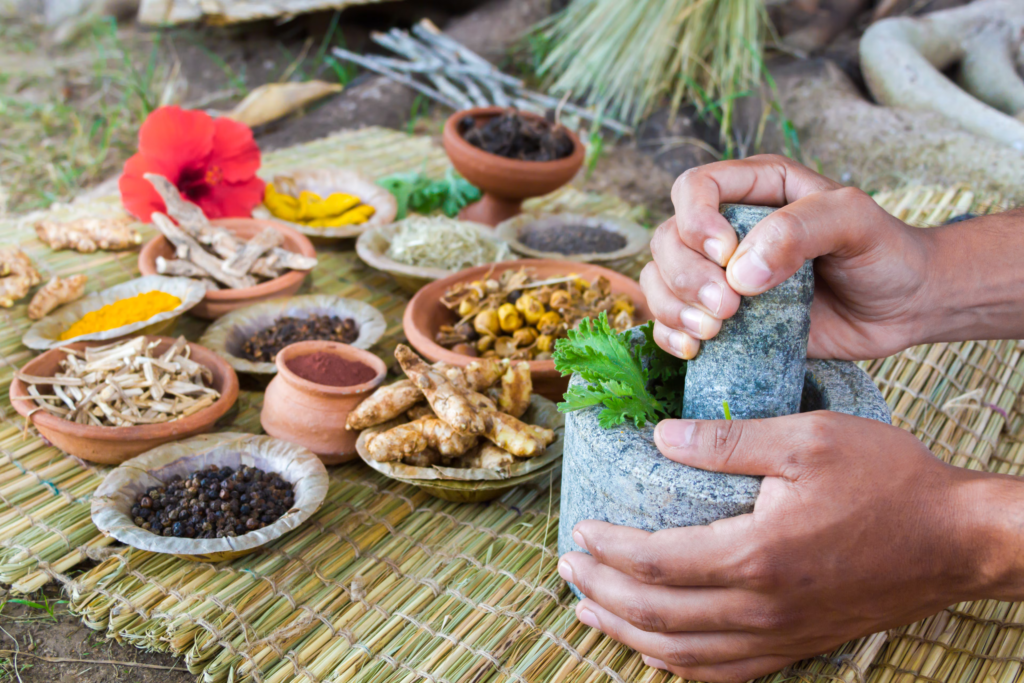
The ancient form of medicine, Ayurveda dates back more than 5000 years and is said to have originated in India. The term “Ayurveda” translates to “science of life,” which signifies the focus on the circulation, balance, and maintenance of bodily energies – spirit, mind, and body. Ayurvedic practices assist in restoring the optimal functioning of the body using diet, lifestyle and herbal medicine.
While modern medicine focuses on a particular problem, traditional medicine, such as Ayurveda, focuses on a person’s entirety. Everyone is considered different; therefore, each treatment is personalized for you. Many people have discovered the benefits of Ayurveda since it is very gentle and natural. It is indeed one of the best ways to support your health.
2. Core Principles of Ayurvedic Practices
The main ideas of Ayurvedic practices are easy to understand. Each person’s body contains five elements: earth, water, fire, air, and space. These five elements interact to create three energies or doshas: Vata, Pitta, and Kapha. Everyone has different levels of these doshas, and that influences the individual’s health and personality.
You will feel good when these doshas are balanced. Conversely, if these doshas are not balanced, one may feel exhausted, stressed, or ill. Ayurveda relies on food, herbs and daily routines to restore balance naturally. For example, if you are anxious (too much Vata), you may benefit from eating supportive warm foods like soups. These principles are designed to help you understand your body so you can use nature to remain healthy.
3. Ayurveda and Contemporary Medicine
Currently, Ayurvedic techniques are used alongside contemporary medicine to assist people in novel ways. Wellness experts and doctors are increasingly recognizing Ayurveda’s effectiveness in treating stress, chronic pain and digestive issues. Health centers in India and the U.S. now provide Ayurvedic therapies, which include herbal massages and detox diets, in addition to conventional treatment.
For example, stress management techniques in Ayurveda are widely used. Meditation and breathing exercises are known to relieve anxiety and address issues such as chronic stress and hypertension. Some studies indicate that traditional medicine’s techniques, such as turmeric as an anti-inflammatory agent, are just as effective as some modern-day medicines—without adverse effects. Blending ancient practices and modern approaches makes healthcare more holistic and tailored to individual needs.
4. Real-World Applications of Ayurveda with Modern Healthcare
Let us examine how Ayurvedic practices have been helpful to people. Many integrative health clinics now combine Ayurvedic protocols with conventional care. For digestive issues, practitioners often recommend dosha-specific diets alongside standard treatment Pitta types benefit from cooling foods like cucumber and fennel tea, while Vata types do well with warm, grounding meals like soups and rice. For joint and muscle discomfort, Ayurvedic sesame oil massage (Abhyanga) is frequently used as a complementary therapy alongside physiotherapy, with many patients reporting improved mobility and reduced stiffness over time. These real-world applications show that Ayurveda and modern medicine can work together effectively when guided by a qualified practitioner.
5. Bringing Ayurveda Into Your Daily Routine
Bringing Ayurveda into your life doesn’t require expertise. Here are the simplest ways to enjoy the benefits of Ayurveda:
- Dosha Breakfast: Discover your dosha and eat food that balances it. For example, Vata dosha individuals should eat warm meals, while spicy foods are better for those with Kapha dosha.
- Morning tea: Drink ginger tea first when you wake up to stimulate digestion and gently awaken the body’s systems after sleep.
- Oil Pulling: Swishing coconut oil in the mouth for 10-15 minutes can help improve oral hygiene.
- Gentle Movement: Short walks and yoga can help you stay active and calm your mind.
- Sleep Well: To get consistent sleep, set a sleep routine. This can help you sleep early and rise with the sun.
Starting with one small daily habit such as ginger tea in the morning is often the most sustainable way to begin incorporating Ayurvedic practices into modern life.
A Natural Approach To Personal Wellness
Ayurvedic medicine is an alternative approach to improving your health naturally, proving why traditional medicine is still essential today. Lowering stress and balancing doshas are just a few ways Ayurveda improves overall health. Take the first step by eating according to your dosha and noticing the difference in how you function in your body.
Have you tried any Ayurvedic practice in your daily routine? Share your experience in the comments below.
Frequently Asked Questions (FAQs)
Q1: What are the main Ayurvedic practices for beginners?
Beginners can start with simple practices like waking early, tongue scraping, oil pulling, drinking warm water, and gentle yoga or stretching. Eating warm, freshly cooked meals and following a consistent daily routine also helps the body gradually align with Ayurvedic principles.
Q2: How does Ayurveda differ from modern medicine?
Ayurveda focuses on preventing illness by balancing the mind, body, and spirit through diet, lifestyle, and natural remedies. Modern medicine often targets specific symptoms with medication or surgery. Ayurveda takes a holistic, personalized approach based on individual constitution.
Q3: Can Ayurvedic practices help with stress and anxiety?
Yes, Ayurveda offers several tools for stress relief, including meditation, pranayama (breathing exercises), herbal remedies like ashwagandha, and calming routines such as warm oil massage. These practices help regulate the nervous system and promote lasting emotional balance.
Q4: What is oil pulling and does it work?
Oil pulling involves swishing oil, usually sesame or coconut, in the mouth for several minutes before spitting it out. It is traditionally used to improve oral hygiene and remove toxins. Many people report fresher breath and healthier gums with regular practice.
Q5: How long does it take to see benefits from Ayurvedic practices?
Some benefits, like better digestion or improved sleep, may appear within a few days to weeks of consistent practice. Deeper changes, such as hormonal balance or long-term stress reduction, typically take several weeks to months of regular routine.