Introduction
In the modern, fast-paced world, stress and anxiety subtly influence our thinking, feelings, and everyday decisions. Many people seek calmness but are unsure where to begin. Meditation for stress and anxiety relief gently helps bring the mind back into balance. This guide explains how meditation supports mind, body, and soul, and how anyone can begin this journey without pressure or fear.
Understanding Stress and Anxiety in Modern Life
Stress and anxiety are not just mental states. They affect the entire system of a human being. Continuous deadlines, emotional overload, digital noise, and lifestyle imbalance slowly disturb inner harmony. Over time, this leads to fatigue, lack of focus, irritability, and a feeling of being disconnected from oneself.
Anxiety often comes from fear of the future, while stress is usually linked to present pressures. Both create tension in the body and restlessness in the mind. Meditation for stress and anxiety relief works by addressing the root of this imbalance instead of only managing surface symptoms. It helps the nervous system relax and creates space for clarity and calm awareness.
What Meditation Really Means Beyond Exercise
Many people think meditation is only about sitting quietly or controlling thoughts. In reality, meditation is a conscious practice of awareness. It is not an exercise to achieve perfection but a process of gentle observation. Through meditation, you learn to notice thoughts without fighting them and emotions without judgment.
Meditation supports mind, body, and soul together. The mind becomes calmer, the body releases stored tension, and the inner self feels more grounded. This holistic approach is why meditation for stress and anxiety relief feels natural and sustainable. It does not force change but allows balance to return gradually.
How Meditation Calms the Nervous System
When stress and anxiety increase, the nervous system stays in a constant alert mode. This state makes it difficult to relax even during rest. Meditation activates the relaxation response, helping the body shift from survival mode to healing mode.
Slow breathing, focused awareness, and stillness signal safety to the brain. Heart rate slows down, muscles soften, and mental noise reduces. Over time, regular meditation for stress and anxiety relief trains the nervous system to respond calmly instead of reacting impulsively. This creates emotional stability and inner strength in everyday situations.
The Mind and Breath Connection in Anxiety Relief
Breath is a powerful bridge between the conscious and unconscious mind. During anxiety, breathing becomes shallow and fast. Meditation gently brings attention back to natural breathing patterns, which directly calms the mind.
By observing the breath without changing it forcefully, awareness becomes anchored in the present moment. This reduces overthinking and mental loops. Breath-based meditation for stress and anxiety relief helps people feel centered and safe within themselves, even during challenging moments.
Emotional Balance Through Mindful Awareness
Suppressed emotions often contribute to long-term anxiety and stress. Meditation creates a safe inner space where emotions can be observed without fear. Instead of pushing feelings away, mindfulness allows acceptance and understanding.
With regular practice, emotional reactions become softer. You start responding with clarity instead of reacting with tension. Meditation for stress and anxiety relief builds emotional intelligence and self-compassion. This inner balance improves relationships, decision-making, and self-confidence naturally.
Spiritual Aspect of Inner Calm and Clarity
Inner calm is not only mental silence. It is also a sense of connection with something deeper within. Many spiritual traditions describe meditation as a path to self-awareness and inner wisdom. This does not require belief in any religion.
Meditation helps people feel grounded and connected to their inner purpose. This spiritual grounding brings trust in life and reduces fear-based thinking. Meditation for stress and anxiety relief gently supports spiritual growth by aligning thoughts, actions, and inner values in a balanced way.
Simple Meditation Practices for Beginners
Starting meditation does not require special skills or long hours. Simplicity is the key. Even a few minutes of daily practice can create noticeable change. Beginners should focus on consistency instead of perfection.
Simple practices include:
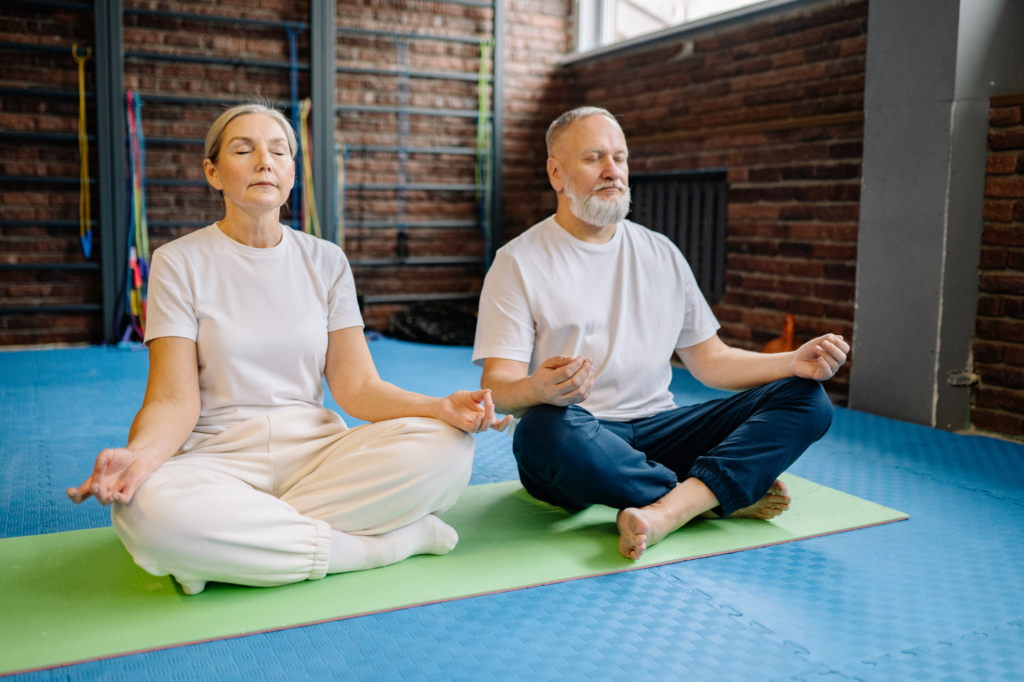
- Sitting comfortably and observing the breath
- Body scan awareness to release tension
- Silent observation of thoughts without judgment
- Gentle guided meditation sessions
These practices support meditation for stress and anxiety relief by creating a safe and approachable entry point for anyone beginning their inner calm journey.
Integrating Meditation into Daily Life
Meditation is not limited to sitting practice. It can evolve into a mindful way of life. Small mindful moments during daily activities strengthen inner calm and reduce mental overload.
Some examples are walking with awareness, practicing focused breathing during work pauses, and listening carefully during conversations. These moments reinforce meditation for stress and anxiety relief throughout the day. Gradually, calm awareness becomes a natural part of daily life rather than a separate activity.
Building a Gentle and Sustainable Routine
A sustainable meditation routine respects individual lifestyle and energy levels. There is no fixed rule for duration or time. Morning practice helps set a calm tone for the day, while evening meditation supports emotional release and restful sleep.
Start with short sessions and increase gradually. The goal is not discipline through force but commitment through kindness. Meditation for stress and anxiety relief works best when practiced with patience, trust, and self-acceptance.
The Role of Community in Inner Wellness
Meditation becomes deeper and more meaningful when supported by a conscious community. Belonging to a wellness-centered community promotes regular practice and collective growth. It reassures people that they are supported and not alone on their path.
A trust-based, non-profit wellness community offers learning, support, and collective healing. Meditation for stress and anxiety relief thrives in spaces where compassion, awareness, and shared intention are valued. Community connection strengthens motivation and creates a sense of belonging.
Long-Term Benefits of Meditation Practice
With regular practice, meditation creates lasting changes in perception and response. Stressful situations no longer feel overwhelming. Anxiety loses its grip as awareness grows stronger. Mental clarity improves, and emotional resilience increases.
Long-term meditation for stress and anxiety relief supports better sleep, improved focus, balanced emotions, and deeper self-understanding. These benefits extend beyond personal well-being and positively influence family, work, and social environments.
Answering Common Questions About Meditation
Many beginners worry about doing meditation correctly. There is no right or wrong experience. Thoughts will arise, and that is natural. Meditation is about noticing, not stopping thoughts.
Another concern is lack of time. Even five minutes of daily meditation for stress and anxiety relief is valuable. Consistency matters more than duration. With gentle practice, meditation becomes a supportive companion rather than a task.
Inner Calm as a Journey, Not a Destination
Inner calm is not something to achieve once and keep forever. It is a continuous process of awareness and balance. Some days feel peaceful, others feel challenging. Meditation teaches acceptance of both without judgment.
This journey invites people to trust themselves and move forward gently. Meditation for stress and anxiety relief reminds individuals that peace is already within them. The practice simply helps uncover it step by step, with compassion and clarity.
These practices support meditation for stress and anxiety relief by creating a safe and approachable entry point for anyone beginning their inner calm journey.
Integrating Meditation into Daily Life
Meditation is not limited to sitting practice. It can evolve into a mindful way of life. Small mindful moments during daily activities strengthen inner calm and reduce mental overload.
Some examples are walking with awareness, practicing focused breathing during work pauses, and listening carefully during conversations. These moments reinforce meditation for stress and anxiety relief throughout the day. Gradually, calm awareness becomes a natural part of daily life rather than a separate activity.
Building a Gentle and Sustainable Routine
A sustainable meditation routine respects individual lifestyle and energy levels. There is no fixed rule for duration or time. Morning practice helps set a calm tone for the day, while evening meditation supports emotional release and restful sleep.
Start with short sessions and increase gradually. The goal is not discipline through force but commitment through kindness. Meditation for stress and anxiety relief works best when practiced with patience, trust, and self-acceptance.
The Role of Community in Inner Wellness
Meditation becomes deeper and more meaningful when supported by a conscious community. Belonging to a wellness-centered community promotes regular practice and collective growth. It reassures people that they are supported and not alone on their path.
A trust-based, non-profit wellness community offers learning, support, and collective healing. Meditation for stress and anxiety relief thrives in spaces where compassion, awareness, and shared intention are valued. Community connection strengthens motivation and creates a sense of belonging.
Long-Term Benefits of Meditation Practice
With regular practice, meditation creates lasting changes in perception and response. Stressful situations no longer feel overwhelming. Anxiety loses its grip as awareness grows stronger. Mental clarity improves, and emotional resilience increases.
Long-term meditation for stress and anxiety relief supports better sleep, improved focus, balanced emotions, and deeper self-understanding. These benefits extend beyond personal well-being and positively influence family, work, and social environments.
Answering Common Questions About Meditation
Many beginners worry about doing meditation correctly. There is no right or wrong experience. Thoughts will arise, and that is natural. Meditation is about noticing, not stopping thoughts.
Another concern is lack of time. Even five minutes of daily meditation for stress and anxiety relief is valuable. Consistency matters more than duration. With gentle practice, meditation becomes a supportive companion rather than a task.
Inner Calm as a Journey, Not a Destination
Inner calm is not something to achieve once and keep forever. It is a continuous process of awareness and balance. Some days feel peaceful, others feel challenging. Meditation teaches acceptance of both without judgment.
This journey invites people to trust themselves and move forward gently. Meditation for stress and anxiety relief reminds individuals that peace is already within them. The practice simply helps uncover it step by step, with compassion and clarity.