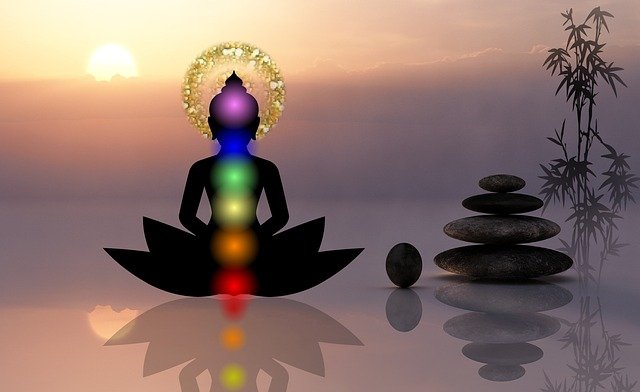
In today’s fast-paced world, stress, anxiety, and emotional exhaustion have become common companions in daily life. Yoga for Emotional Balance offers a time-tested way to reconnect with yourself, release inner tension, and build lasting emotional resilience. This blog explores how yoga, mindfulness, and ancient wisdom can support emotional healing, personal growth, and a deeper sense of community.
Understanding the Mind-Body-Spirit Connection
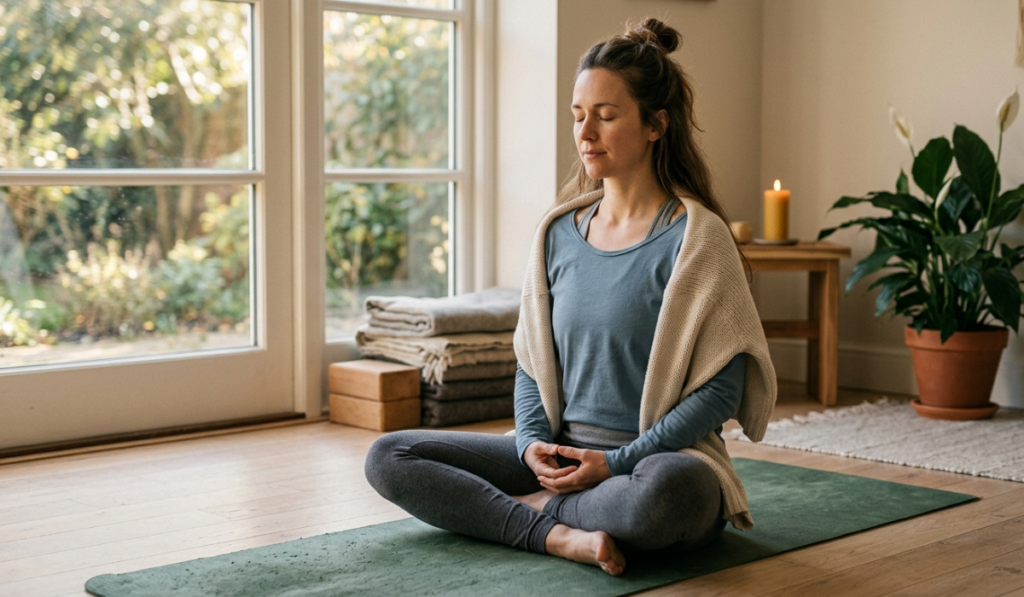
Emotional wellbeing is not separate from physical health. The mind, body, and spirit are deeply interconnected, and when one is out of balance, the others often follow. Yoga recognizes this connection at its core. Through conscious movement, breath control, and stillness, yoga helps regulate the nervous system, calm racing thoughts, and create space for emotions to be felt rather than suppressed. This holistic approach is why so many people turn to yoga not just for flexibility or strength, but for genuine emotional relief and inner clarity.
What Is Yoga for Emotional Balance?
Yoga for Emotional Balance refers to specific yogic practices designed to help individuals process, regulate, and release difficult emotions such as anxiety, grief, anger, and overwhelm. Unlike purely physical fitness routines, this approach blends breathwork, gentle movement, meditation, and self-reflection to create emotional steadiness. It is not about eliminating emotions but learning to observe them without judgment, allowing the practitioner to respond to life’s challenges with greater calm, patience, and self-awareness rather than reacting impulsively.
Yoga for Emotional Healing: Ancient Wisdom Meets Modern Wellness
The roots of yoga trace back thousands of years to ancient Indian philosophy, where sages understood that true wellbeing required harmony between body, mind, and consciousness. Today, modern science supports what these ancient teachers knew intuitively. Studies show that regular yoga practice can lower cortisol levels, reduce symptoms of anxiety and depression, and improve emotional regulation. Yoga for Emotional Healing bridges this timeless wisdom with contemporary wellness needs, offering a practical, accessible tool for anyone navigating emotional struggles in a demanding modern lifestyle.
Emotional Healing Practices Through Yoga
Healing emotionally through yoga is not limited to a single technique. It involves a combination of practices that work together to calm the nervous system and build emotional strength over time.
Breathwork (Pranayama)
Breath is the bridge between the body and mind. Simple pranayama techniques such as deep belly breathing, alternate nostril breathing, and extended exhalations activate the parasympathetic nervous system, signaling the body to shift out of stress mode. Practicing breathwork daily, even for five to ten minutes, can noticeably reduce anxiety, improve focus, and create a greater sense of emotional steadiness throughout the day.
Meditation and Mindfulness
Meditation trains the mind to observe thoughts and emotions without becoming overwhelmed by them. Mindfulness practices encourage present-moment awareness, helping individuals recognize emotional triggers before they escalate. Over time, consistent meditation builds a stronger inner witness, allowing practitioners to pause before reacting. This is one of the most powerful emotional healing practices, as it directly rewires the brain’s response to stress and difficult emotions.
Asana Practice for Emotional Release
Certain yoga postures are known to release stored tension from the body, particularly in areas like the hips, shoulders, and chest where emotional stress often accumulates. Gentle backbends can open the heart space and ease feelings of sadness, while forward folds promote introspection and calm. Restorative poses held for longer periods allow the nervous system to fully relax, making space for emotional processing and release.
Yoga as a Tool for Personal Transformation
Beyond emotional healing, yoga serves as a powerful vehicle for personal transformation. As practitioners deepen their practice, they often experience shifts in self-perception, values, and life priorities. Yoga encourages self-inquiry, a process of honestly examining one’s thoughts, patterns, and beliefs. This inner work naturally leads to personal growth, as individuals become more aware of limiting habits and more open to positive change. Many people describe their yoga journey as a gradual awakening, where physical practice becomes a doorway to deeper self-understanding and lasting transformation.
Building a Wellness Community Through Yoga
One of the most meaningful aspects of yoga is its ability to bring people together. Practicing in a group setting, whether in a studio, park, or community center, fosters a sense of belonging and shared purpose. Wellness communities built around yoga and mindfulness provide emotional support, accountability, and encouragement that solo practice cannot always offer. Being surrounded by like-minded individuals who value inner growth and holistic living reinforces positive habits and makes the wellness journey feel less isolating and more sustainable.
Joining a Non-Profit Wellness Mission
Many wellness-focused non-profit organizations are working to make yoga, mindfulness, and holistic health practices accessible to a wider audience. These organizations often run community programs, educational workshops, and outreach initiatives aimed at improving emotional and mental wellbeing at scale. Supporting or joining such a mission allows individuals to be part of something larger than their personal practice, contributing to a collective effort that promotes healing, awareness, and positive change across communities that may not otherwise have access to these resources.
How You Can Get Involved: Membership, Volunteering & Donations
There are many meaningful ways to support wellness-focused non-profit initiatives beyond attending classes. Becoming a member connects you with a like-minded community and often provides access to workshops, retreats, and ongoing educational content. Volunteering your time and skills helps organizations expand their reach and impact more lives through wellness programs. For those looking to contribute financially, donations directly support future projects, including proposed Wellness Villages designed as immersive spaces for healing, learning, and community connection. Every contribution, whether time, skill, or funding, helps build a more emotionally balanced and supportive world for others.
Frequently Asked Questions (FAQs)
1. What is Yoga for Emotional Balance?
Yoga for Emotional Balance is a practice that combines breathwork, meditation, and specific postures to help individuals process emotions, reduce stress, and build greater self-awareness and inner calm over time.
2. How does yoga help with emotional healing?
Yoga helps by calming the nervous system, releasing stored tension in the body, and training the mind through mindfulness to observe emotions without becoming overwhelmed, leading to gradual emotional healing.
3. Can beginners practice yoga for emotional wellbeing?
Yes, beginners can absolutely start practicing yoga for emotional wellbeing. Simple breathing exercises, gentle postures, and short meditation sessions are accessible starting points that require no prior experience.
4. How often should I practice yoga for emotional balance?
Practicing for even ten to twenty minutes daily can bring noticeable benefits. Consistency matters more than duration, so a short daily practice is more effective than occasional longer sessions.
5. How can I get involved with a wellness community or non-profit mission?
You can get involved by joining as a member, volunteering your time and skills, attending community programs, or supporting ongoing wellness initiatives through donations to help expand their reach.