Stress has become a common part of modern life, affecting mental, emotional, physical, and even spiritual health. Learning effective stress relief techniques can help you build resilience, improve focus, and enjoy a healthier lifestyle. This guide explores practical, natural methods that support long-term well-being through mindfulness, meditation, healthy habits, movement, and holistic living. Each technique is easy to adopt and designed to help you create lasting inner balance without relying on temporary solutions.
Why Natural Stress Relief Techniques Matter
Stress is the body’s natural response to challenges, but constant stress can affect every area of life. Long-term stress may contribute to anxiety, poor sleep, fatigue, weakened immunity, digestive problems, and difficulty concentrating. It can also impact relationships, work performance, and emotional stability.
Natural stress relief techniques focus on addressing the root causes of stress rather than simply masking the symptoms. These practices encourage the mind and body to relax, restore balance, and improve emotional resilience. Unlike quick fixes, natural wellness habits create sustainable improvements that support overall health and personal growth.
Many traditional wellness practices have been used for centuries and continue to be supported by modern research. Combining ancient wisdom with healthy daily routines helps individuals experience better mental clarity, emotional balance, and a stronger connection with themselves.
Recognizing the Early Signs of Stress
Before managing stress effectively, it is important to recognize when it begins to affect your daily life. Many people ignore early warning signs until stress becomes overwhelming.
Common symptoms include:
- Constant worrying or racing thoughts
- Feeling tired despite getting enough sleep
- Irritability and mood swings
- Difficulty concentrating
- Frequent headaches or muscle tension
- Poor digestion
- Reduced motivation
- Changes in appetite
- Trouble falling asleep or staying asleep
Identifying these symptoms early allows you to introduce healthy coping strategies before stress develops into burnout or chronic health issues.
Practice Mindfulness to Stay Present
Mindfulness is one of the most effective natural methods for reducing stress. It involves paying attention to the present moment without judging your thoughts or emotions.
Instead of worrying about the future or dwelling on the past, mindfulness encourages gentle awareness of your breathing, surroundings, and feelings. Even five to ten minutes of mindful practice each day can improve emotional regulation and reduce mental overload.
Simple ways to practice mindfulness include:
- Focusing on slow, deep breathing
- Observing your thoughts without reacting
- Eating meals without distractions
- Taking mindful walks in nature
- Practicing gratitude throughout the day
Mindfulness helps calm the nervous system and improves mental clarity, making it easier to respond thoughtfully rather than react emotionally during stressful situations.
Meditation for Inner Peace and Mental Clarity
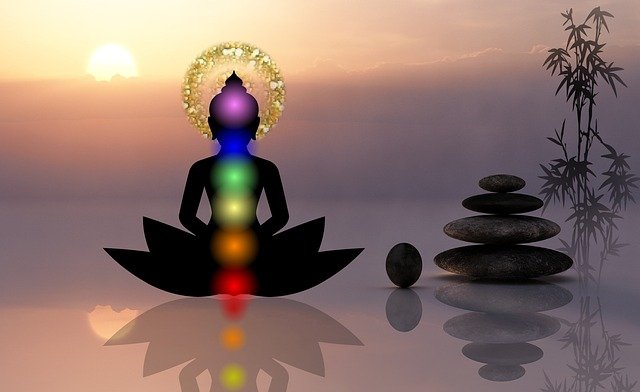
Meditation has been practiced across cultures for thousands of years to support emotional well-being and spiritual growth. Today, it remains one of the most recommended stress management techniques because it helps quiet the mind and restore inner balance.
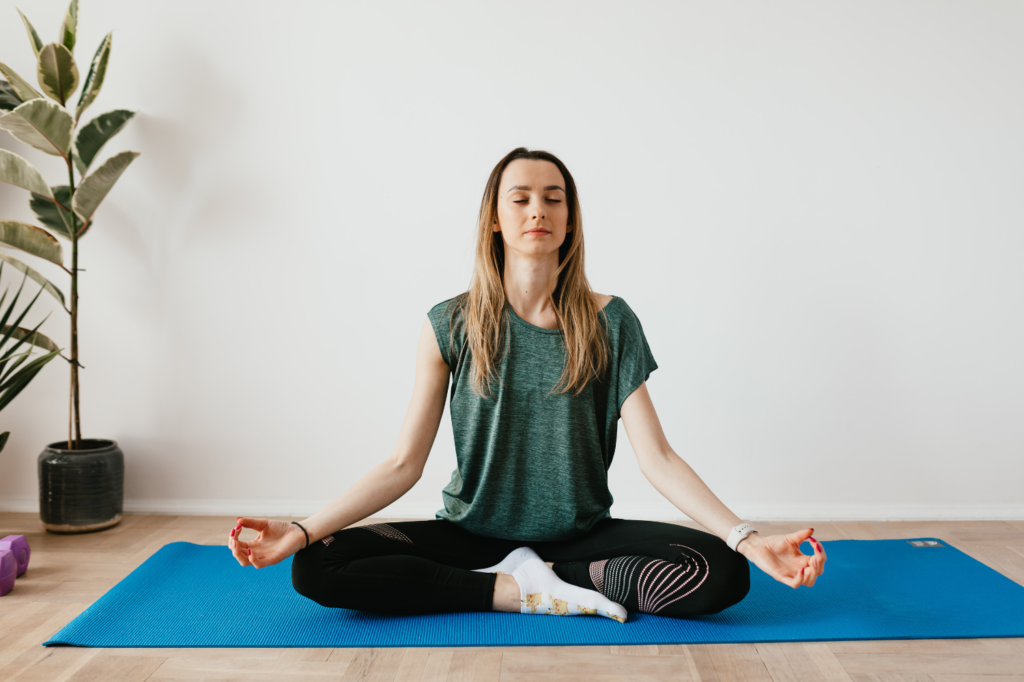
Beginners can start with just ten minutes each morning. Sit comfortably, close your eyes, and gently focus on your breathing. Whenever your thoughts wander, calmly return your attention to your breath.
Regular meditation may help:
- Lower stress levels
- Improve concentration
- Increase emotional resilience
- Promote better sleep
- Reduce anxiety
- Develop greater self-awareness
Consistent practice creates lasting positive changes in both mental and emotional health while encouraging a deeper sense of calm.
Support Your Mind Through Yoga and Gentle Movement
Physical movement plays a major role in reducing stress naturally. Yoga combines controlled breathing, stretching, mindful movement, and relaxation into a complete wellness practice.
Unlike intense workouts, yoga encourages the body to release physical tension while calming the mind. Gentle poses improve flexibility, posture, circulation, and breathing capacity.
Other beneficial forms of movement include:
- Walking outdoors
- Tai Chi
- Light stretching
- Swimming
- Cycling
- Dancing
Regular movement stimulates the release of endorphins, often called the body’s natural feel-good chemicals, helping improve mood and reduce emotional stress.
Improve Sleep for Better Stress Recovery
Quality sleep is essential for emotional and physical recovery. Unfortunately, stress and poor sleep often create a cycle where each problem worsens the other.
Healthy sleep habits can significantly improve your ability to handle daily challenges.
Create a relaxing bedtime routine by:
- Going to bed at the same time every night
- Limiting screen time before sleep
- Keeping your bedroom cool and quiet
- Avoiding heavy meals late in the evening
- Reading or practicing relaxation exercises before bed
Better sleep improves memory, emotional stability, decision-making, immune function, and overall well-being.
Nourish Your Body with a Balanced Diet
Nutrition directly influences mental health and energy levels. A balanced diet supports brain function and helps the body respond more effectively to stress.
Choose foods that provide steady energy throughout the day, including:
- Fresh fruits
- Leafy vegetables
- Whole grains
- Nuts and seeds
- Healthy fats
- Lean proteins
- Plenty of water
Reducing excessive caffeine, sugary drinks, and processed foods may also help stabilize mood and energy.
Healthy eating works alongside other natural stress relief practices to strengthen both physical and emotional resilience.
Spend Time in Nature to Restore Emotional Balance
Nature has a calming effect on both the brain and body. Spending time outdoors reduces mental fatigue, lowers stress hormones, and improves overall mood.
You do not need a long vacation to experience these benefits. Small daily habits can make a meaningful difference.
Examples include:
- Walking in a local park
- Gardening
- Watching a sunrise
- Sitting near trees
- Listening to birds
- Practicing meditation outdoors
Natural surroundings encourage relaxation while providing a refreshing break from busy digital lifestyles.
Build Meaningful Relationships and Community Support
Strong social connections are an important part of holistic wellness. Sharing your experiences with supportive friends, family members, or wellness communities helps reduce emotional burdens.
Healthy relationships provide encouragement, understanding, and perspective during difficult times. They also remind us that we do not have to face challenges alone.
You can strengthen your support network by:
- Joining meditation groups
- Participating in wellness workshops
- Volunteering for community activities
- Spending quality time with loved ones
- Practicing active listening
Being part of a caring wellness community encourages personal growth while creating opportunities to learn from others.
Create Daily Self-Care Rituals That Last
Self-care is not about occasional luxury. It is about consistently making choices that protect your mental, emotional, and physical health.
Simple daily habits can gradually reduce stress while improving long-term well-being.
Examples of sustainable self-care include:
- Journaling your thoughts
- Reading inspirational books
- Practicing gratitude
- Listening to calming music
- Limiting unnecessary screen time
- Setting healthy personal boundaries
- Taking regular breaks during work
These habits help create emotional stability and improve your ability to manage life’s challenges with confidence.
Connect Ancient Wisdom with Modern Living
Many traditional wellness practices remain highly relevant today because they focus on creating harmony between the mind, body, and spirit. Meditation, mindful breathing, yoga, gratitude, and compassionate living have supported human well-being for generations.
Modern lifestyles often involve constant digital distractions, busy schedules, and information overload. Integrating ancient wellness principles into daily routines offers a balanced approach that supports emotional healing, self-awareness, and lasting inner peace.
Holistic wellness is not about achieving perfection. It is about making consistent, mindful choices that improve your quality of life over time while nurturing every aspect of your well-being.
Take the Next Step Toward Holistic Well-Being
Learning and practicing natural stress relief techniques is a lifelong journey rather than a quick solution. Every mindful breath, healthy meal, meditation session, and act of self-care contributes to greater resilience and inner balance.
If you are passionate about meditation, mindfulness, holistic wellness, and personal transformation, becoming part of a supportive wellness community can help you stay inspired. By participating as a member, volunteer, or supporter, you contribute to initiatives that promote healthier lifestyles, preserve timeless wellness wisdom, encourage community well-being, and help create a future where individuals and families can thrive through holistic living.