
Remote and hybrid work have given employees more flexibility than ever but they’ve also blurred the line between ‘office hours’ and ‘off hours.’ When your home is also your workplace, work-life balance becomes a different kind of challenge. This blog covers 9 practical tips specifically for people working from home, whether fully remote or on a hybrid schedule
This blog covers 9 practical, remote-work-specific tips from setting digital boundaries to creating an end-of-day shutdown ritual so you can protect your personal time without sacrificing productivity.
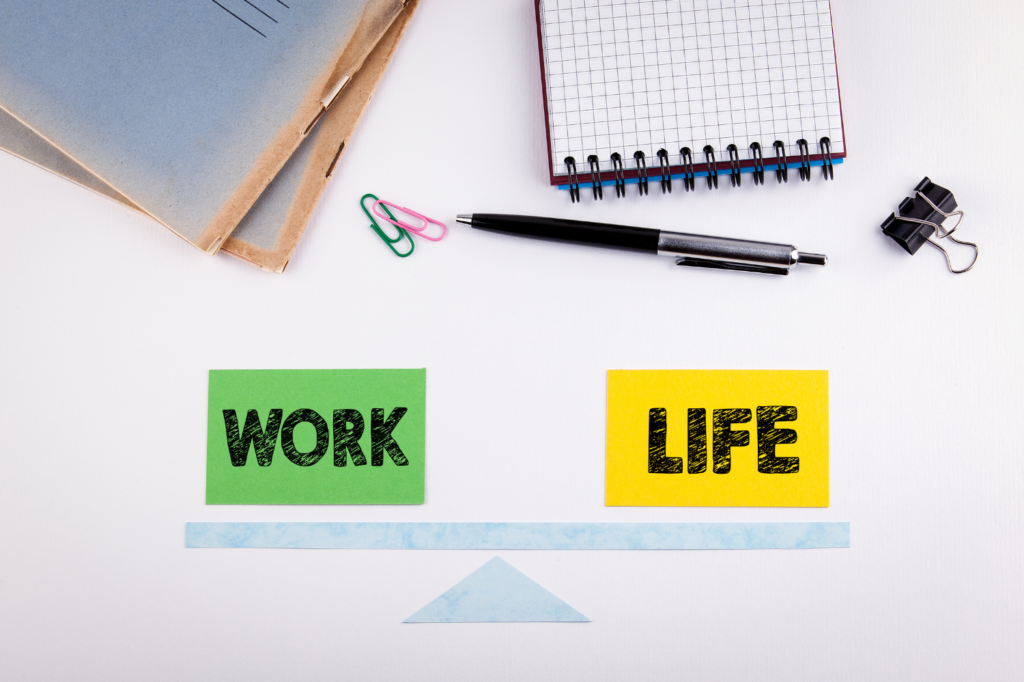
What is Work-Life Balance?
Effectively utilizing your time and energy towards completing tasks related to both your personal life and your job in a manner that keeps you mentally and physically healthy is what work-life balance suggests. It is not about working less or avoiding your duties. Instead, it is about using your time wisely to complete professional and personal tasks without feeling burdened.
Maintaining a balanced life helps you
- Spend quality time with loved ones.
- Look after your health.
- Enjoy some relaxation and pursuits.
A proper work-life balance stems from feeling less stressed, satisfied, and grateful for life.
Why is Work-Life Balance Important?
The need to focus on achieving a balanced life cannot be stressed anymore.
Here are some reasons why you must pay attention to your work-life balance:
- Stress-Free Living: You are less likely to be overloaded by work, which prevents you from feeling stressed.
- Positive Self-Care: Putting aside time for relaxation, physical exercise, and sleep helps your mind and body stay active and sane.
- Effective Use of Time: Success can come easier with well-targeted efforts. If you are organized, you can achieve more in shorter periods.
- Emotional Connections: Relationships benefit from quality time, which makes your emotional connection more robust.
- Living in Balance: A balanced life ensures that neither of the two worlds competes with the other, making it a source of ultimate bliss.

Tips For an Effective Working Schedule
It’s not easy to achieve this work-life balance. Here is a list of tips that could guide you towards a balanced life:
1. Establish Firm Rules
Define your work and personal lifelines clearly. For example,
- Do not respond to work-related phone calls or emails after work hours.
- Inform your colleagues whether you’re free or busy to undertake work-related tasks.
To create boundaries, you must decide which lines to cross and which not to allow your life room for expansion.
Setting Boundaries When Your Home Is Your Office
Remote employees face a unique challenge there’s no physical commute to signal the end of the workday. Here are 3 boundary-setting techniques built specifically for remote and hybrid workers:
- Time-block your calendar: Mark work hours as busy blocks, just like you would a meeting, so personal time doesn’t quietly disappear.
- Turn off work notifications after hours: Mute Slack, Teams, or work email on your phone once your workday ends — even 30 minutes of uninterrupted personal time makes a difference.
- Create a shutdown ritual: Something as simple as closing your laptop and taking a 10-minute walk tells your brain the workday is officially over.”
2. Create a To-Do List
Allocate time on your personal and work-related tasks using a daily planner.
Note down the tasks you have at hand and set their priorities. This will help you finish essential functions while leaving time for family, friends, and relaxation.
For example:
- 9 AM to 5 PM is set aside for work tasks.
- 6 PM to 8 PM is for family time or hobbies.
Whatever the reason, planning your life makes it easy to keep a work-life balance.
3. Learn To Say No
It is unnecessary to agree every time someone requests an assignment from you. If your schedule is complete, it is perfectly okay to say no to work or social obligations that come your way. Saying no helps you set boundaries for yourself and protect your balanced life.
4. Taking Breaks
You cannot ignore breaks because they are essential to your everyday routine. While performing work, take short breaks to rest your mind and body. After your work, aim for activities you enjoy, such as reading, taking a stroll, or even meditating.
Regular breaks are a great way to get away from your desk and are an easy step towards fostering a healthier work-life balance.
5. Make Time For Yourself
A balanced life indicates self-care to a certain degree. Plan the time that you need to spend focusing on your body and mind along with self-care activities like:
- Staying active and exercising.
- Keeping your mind calm with meditation or mindfulness.
- Tapping into your creative side through painting, gardening, or cooking.
All these activities support a healthier work-life balance by building in regular time for rest, creativity, and mental recovery.
6. Restrict Your Screen Time
Staring at your computer or scrolling through your phone when engaged in work can negatively impact your work-life balance. Set a time window when the software allows you to check your social media and emails. Use your free time to do something nurturing, like spend time with friends or acquaintances or outdoors.
7. Practice Delegation
At times, it can become overwhelming to try to do everything yourself. Consider distributing work amongst your colleagues in the workplace. In household chores, ensure you do your part and divide the work amongst your family. Delegating will aid you in losing some stress and increasing your balanced life.
8. Prioritize Rest
It’s no surprise that sleep matters a lot if you intend to remain both productive and healthy. Try to achieve a minimum of 7-8 hours every single day. A rested mind and body allow you to tackle the various parts of your life more effectively and establish an outstanding work-life balance.
9. Reassess Your Expectations
Consider taking steps to outline clearly what you cherish. Focus on activities or relationships that supply you with value and happiness. Evaluating your priorities is essential to creating a balanced life that meets proper purpose and happiness.
Balancing The Challenges of Work-Life
These challenges can easily confuse a person who has a life goal. Some of these obstacles are:
- Demanding Work: Inflexible working conditions have proven difficult for the most.
- Emotional Distress: The idea of feeling guilty results from spending personal time away from work.
- Problems with Time Management: Attempting to accomplish everything can simultaneously risk one’s sanity.
The most important thing is to adjust your schedule and be willing to change. Remember that a perfect balance may not exist at any moment, but small things can significantly improve your life.
Good Things From Achieving Balance in Life
When you manage to achieve a good work-life balance, you will find yourself receiving:
- Restored Self-Esteem– Consistent breaks and leisure activities help decrease stress while enhancing one’s health.
- Better Work Attendance– With a balanced life, one can achieve high productivity and mental focus in the workplace.
- Nurtured Bonds– Quality time aids in caring for relationships with family and friends.
- Reduced Stress– A balanced life helps one enjoy all their responsibilities, whether work or self-created.
FAQs
Q1: How do I know if I’m experiencing remote work burnout?
A: Common signs include difficulty “switching off” after work hours, feeling guilty about taking breaks, and blurred boundaries between work and personal time even on weekends.
Q2: What’s the biggest work-life balance challenge for hybrid workers?
A: Inconsistency. Switching between office days and home days makes it harder to build a stable routine, so fixed rituals — like a set shutdown time — help maintain balance on both types of days.
Q3: How many hours should I work in a day to maintain balance?
A: There’s no fixed number, but sticking to a consistent schedule (like 9 AM to 5 PM) and avoiding “just one more email” after hours makes a bigger difference than the exact hour count.
Q4: Is it okay to check work emails during personal time?
A: Occasionally checking is fine, but making it a habit erodes your personal time boundaries over time. Setting a specific “email-free” window each evening helps protect your downtime.
Q5: Can work-life balance really improve productivity?
A: Yes. Regular breaks, adequate sleep, and personal time reduce burnout and mental fatigue, which directly improves focus and output during work hours.
Conclusions
Creating and maintaining a balanced life is crucial to having the happiness that leads to success. Following rules, knowing when to plan your day, and knowing when to take a break from work for yourself all aid in having a healthy work-life balance.
Always follow the philosophy that small steps are the key to success. Make time for yourself, ignore petty distractions, and focus on what matters.
A healthy work-life balance creates pathways to live outside business achievements and professionally succeed.
Start balancing your life and begin living it to the fullest!