
Somatic exercises for beginners offer a gentle way to release daily stress by reconnecting with the body and becoming aware of physical sensations. Modern lifestyles often leave us feeling tense, overwhelmed, and mentally exhausted. Through mindful movement, breathing, and body awareness, we can develop healthier ways to respond to stress. This guide explores simple somatic exercises, their benefits, and practical ways to include them in your daily wellness routine.
What Are Somatic Exercises?
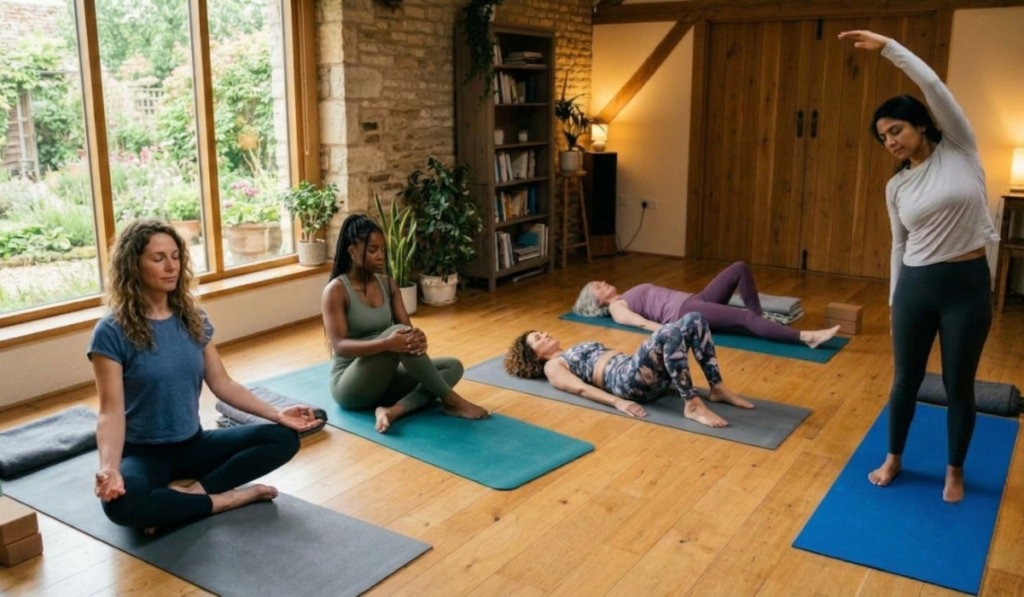
Somatic exercises are gentle movements and body-awareness practices that help you notice how your body feels, moves, and responds to everyday experiences. The word somatic relates to the body as experienced from within. Instead of focusing only on physical performance, these exercises encourage you to pay attention to sensations, breathing patterns, posture, and areas of tension.
For example, you might notice that your shoulders rise when you feel anxious or that your jaw tightens during a demanding workday. Somatic practices invite you to recognize these patterns without judgment and explore comfortable ways to soften unnecessary tension. They often incorporate slow movements, mindful breathing, stretching, and relaxation.
Unlike intense workouts, somatic exercises can be adapted to different fitness levels and performed at home with minimal equipment. They are not a replacement for medical or mental health treatment, but they can complement a balanced wellness routine by encouraging greater body awareness and mindful self-care.
How Somatic Exercises Help Release Daily Stress
Stress can affect both the mind and the body. When daily responsibilities become overwhelming, you may experience muscle tightness, shallow breathing, restlessness, or difficulty relaxing. Gentle movement and mindful breathing can help you notice these responses and create opportunities to settle your attention.
Somatic exercises encourage you to slow down rather than push through discomfort. By observing physical sensations and moving at a comfortable pace, you can become more aware of your personal stress patterns. This awareness may help you recognize when you need a break, adjust your posture, or take a few calming breaths.
Regular practice may support relaxation, body awareness, and emotional self-regulation. However, individual experiences vary, and somatic exercises do not guarantee stress relief or eliminate the underlying causes of stress. Their value lies in providing a practical opportunity to pause, reconnect with yourself, and respond more thoughtfully to everyday challenges.
7 Somatic Exercises for Beginners to Practice at Home
You do not need special equipment, advanced flexibility, or previous meditation experience to begin. Choose a quiet space where you can move comfortably without interruptions. Start with five to ten minutes and gradually adjust your routine according to your needs.
1. Mindful Belly Breathing
Mindful belly breathing is a simple starting point for people who want to combine body awareness with relaxation. Sit comfortably in a chair or lie down with your knees supported. Place one hand on your abdomen and the other on your chest. Notice your natural breathing pattern without immediately trying to change it.
Allow your abdomen to expand gently as you breathe in and soften as you breathe out. Keep your shoulders relaxed and avoid forcing deep breaths. Continue for one to three minutes, paying attention to the movement of your hands and the sensation of air entering and leaving your body. If you feel dizzy or uncomfortable, return to normal breathing.
2. Gentle Shoulder Rolls
Shoulder rolls can help you notice and ease stiffness that develops after sitting at a desk, using a phone, or working under pressure. Sit or stand with your feet comfortably positioned and your arms relaxed. Slowly lift your shoulders toward your ears, move them backward, and allow them to settle down.
Repeat the movement three to five times, then reverse the direction if it feels comfortable. Pay attention to how your neck, upper back, and shoulders respond. Avoid large or forceful circles, especially if you experience pain. The goal is not to achieve perfect posture but to explore gentle movement and identify areas that feel tight or restricted.
3. Slow Neck Awareness Movements
Neck awareness exercises help beginners recognize tension without aggressively stretching sensitive muscles. Sit upright with your head balanced comfortably above your shoulders. Slowly turn your head a small distance to the right, return to the center, and then move gently to the left. Keep your breathing natural throughout the exercise.
Notice whether one side feels different from the other. There is no need to push toward your maximum range of motion. Repeat only a few times within a comfortable range, keeping your shoulders relaxed. Avoid neck circles or movements that cause dizziness, tingling, or pain. Gentle awareness can help you become more attentive to habits such as leaning forward while working.
4. Gentle Spinal Movement
Gentle spinal movement encourages awareness of the back and the relationship between movement and breathing. Begin seated in a stable chair with your feet flat on the floor. As you inhale naturally, lengthen your spine without stiffening it. As you exhale, allow your shoulders to soften and your back to return to a comfortable neutral position.
Repeat this small movement several times, moving slowly enough to notice how your back feels. You can also explore a gentle seated side bend if it feels comfortable. Avoid forcing your spine into deep stretches. This exercise is particularly useful as a mindful movement break during long periods of sitting, although persistent back pain should be assessed by a qualified healthcare professional.
5. Progressive Body Awareness Scan
A body scan is a mindfulness practice that helps you observe sensations without needing to change them. Sit comfortably or lie down in a quiet space. Bring your attention to your feet first, noticing contact with the floor or the support beneath you. Gradually move your attention through your legs, hips, abdomen, hands, shoulders, and face.
At each area, notice sensations such as warmth, pressure, tingling, or tightness. You do not need to identify a specific feeling in every part of the body. Simply acknowledge what you notice and continue at your own pace. If focusing inward feels overwhelming, open your eyes and direct your attention toward objects in the room. A body scan can support mindfulness and help you recognize physical signs of stress.
6. Gentle Hand and Wrist Movements
Hands and wrists often carry tension from typing, writing, using mobile devices, and completing repetitive tasks. Begin by resting your forearms comfortably on a table or your lap. Slowly open your hands, spread your fingers gently, and then allow them to relax. Repeat several times without squeezing or stretching forcefully.
Next, make small wrist circles in a comfortable range of motion. Notice whether your hands feel warm, stiff, relaxed, or tired. Coordinate the movements with natural breathing rather than trying to follow a strict rhythm. These simple movements can serve as a short mindful break during a busy day and remind you to pay attention to your body’s needs before discomfort builds.
7. Grounding Through Your Feet
Grounding exercises bring attention to the present moment through physical sensations. Sit or stand securely and place both feet on the floor. Notice the pressure beneath your heels, the balls of your feet, and your toes. Gently shift your weight from one foot to the other if you are standing and feel stable enough to do so.
Observe the difference between pressure, balance, and contact with the ground. You can combine this exercise with a slow look around the room, noticing a few colors or familiar objects. Grounding may help redirect attention when your mind feels busy or distracted. It can also be a useful transition between work and personal time, allowing you to pause before moving into your next activity.
How to Create a Daily Somatic Exercise Routine
Consistency matters more than intensity when beginning a new wellness habit. Choose a time that fits naturally into your schedule, such as after waking up, during a lunch break, or before bedtime. Start with one or two exercises instead of attempting the entire routine at once.
A simple beginner schedule might look like this:
- Morning: Practice mindful belly breathing for two minutes.
- Midday: Complete gentle shoulder rolls and hand movements for three minutes.
- Evening: Try a body scan or grounding exercise for five minutes.
Keep your routine flexible. On demanding days, even a brief pause can help you reconnect with your body. You may find it useful to keep a wellness journal and record your energy, mood, and physical tension before and after practice. Avoid treating relaxation as another task to complete perfectly. The purpose is to build a sustainable relationship with self-awareness and everyday self-care.
Common Mistakes Beginners Should Avoid
One common mistake is forcing the body to relax immediately. Awareness practices work best when you observe sensations without judging yourself for feeling tense. Another mistake is moving too quickly or stretching beyond your comfortable range. Somatic exercises are generally gentle, and greater intensity does not necessarily produce greater benefits.
Beginners may also expect every session to create an immediate feeling of calm. Some days, you may notice little change, while other days may bring greater awareness of discomfort or emotion. Both experiences can be approached with patience. If focusing on bodily sensations increases anxiety or distress, stop, open your eyes, and reconnect with your surroundings.
People with injuries, significant mobility limitations, or medical conditions affecting movement should seek appropriate professional guidance when necessary. Stop any exercise that causes pain, dizziness, numbness, or unusual discomfort. Choose movements that suit your abilities rather than comparing your experience with someone else’s.
Connecting Somatic Wellness With Mindfulness and Community
Somatic exercises can become part of a broader wellness practice that includes meditation, yoga, mindful walking, adequate rest, and meaningful social connection. Each practice offers a different way to pay attention to the present moment and develop a more thoughtful relationship with daily experiences.
Community can also make wellness practices more accessible and encouraging. Participating in group meditation, beginner-friendly movement sessions, wellness workshops, or volunteer-led activities can provide opportunities to learn alongside others. Sharing experiences respectfully may help people feel less alone as they explore healthier routines.
Non-profit wellness initiatives can support this journey by creating welcoming spaces for education, mindful living, and community participation. You can contribute by attending wellness activities, sharing reliable educational resources, volunteering your time, or supporting initiatives that expand access to holistic wellness programs. If an organization is developing future Wellness Villages, learning about its mission and reviewing its programs can help you understand how your participation or donations may contribute to its goals.
A healthier community begins with small, practical actions. By making body awareness part of everyday life and encouraging others to explore accessible wellness practices, you can help nurture a culture that values compassion, self-awareness, and sustainable personal growth.
Frequently Asked Questions About Somatic Exercises for Beginners
1. What are the best somatic exercises for beginners?
The best starting exercises are gentle belly breathing, shoulder rolls, grounding through the feet, and a basic body scan. These practices require little equipment and can be adapted to different comfort levels. Begin with one exercise for a few minutes and pay attention to how your body responds. Choose movements that feel comfortable rather than trying to achieve a particular physical result.
2. How long should beginners practice somatic exercises?
Beginners can start with five to ten minutes per session, depending on comfort and available time. Even a short practice may help you become more aware of breathing, posture, and physical tension. You can gradually build a routine as it becomes familiar. There is no universal duration that works for everyone, so prioritize comfort, consistency, and a pace that fits your daily life.
3. Can somatic exercises help reduce anxiety and stress?
Somatic exercises may support relaxation, present-moment awareness, and the recognition of physical stress responses. Gentle movement and mindful breathing can provide a useful pause during demanding situations. However, results vary, and these practices are not a substitute for professional care when anxiety or stress significantly affects daily functioning. Consider speaking with a qualified mental health professional if symptoms persist or become difficult to manage.
4. When is the best time to practice somatic exercises?
You can practice somatic exercises in the morning, during work breaks, or in the evening. Morning sessions may help you begin the day with greater body awareness, while midday sessions offer an opportunity to interrupt long periods of sitting. Evening practices can provide a gentle transition toward rest. Experiment with different times and choose the option that feels most sustainable for your routine.
5. Do I need yoga experience to begin somatic exercises?
No, previous yoga or meditation experience is not required. Many somatic exercises involve simple movements, comfortable breathing, and noticing physical sensations. You can practice while seated, standing, or lying down, depending on your abilities. Begin slowly, avoid movements that cause discomfort, and seek professional guidance if you have relevant health concerns. The focus is on awareness and comfort rather than flexibility or performance.