
Introduction to Mindfulness for Emotional Balance
Mindfulness for emotional balance is a simple and effective way to improve mental clarity, emotional stability, and overall well-being. In today’s busy world, many people deal with stress, anxiety, and emotional pressure every day. Work responsibilities, personal challenges, and constant digital distractions can make the mind feel overwhelmed.
Mindfulness helps people slow down and become more aware of their thoughts and emotions. Instead of reacting immediately to situations, mindfulness teaches individuals to observe their feelings calmly before responding. This small pause between emotion and reaction can make a big difference in daily life.
When people practice mindfulness regularly, they learn how to understand their emotions better. Rather than being controlled by anger, fear, or frustration, they begin to observe these emotions with awareness. Over time, this habit strengthens emotional balance and supports personal growth.
Another important benefit of mindfulness is that it helps the mind stay connected to the present moment. Many people spend a lot of time worrying about the future or thinking about the past. Mindfulness gently brings attention back to the present, where life is actually happening.
Daily mindfulness does not require complicated techniques. Simple practices like breathing awareness, short meditation, and mindful attention can gradually transform how the mind responds to daily challenges.
Understanding the Meaning of Mindfulness
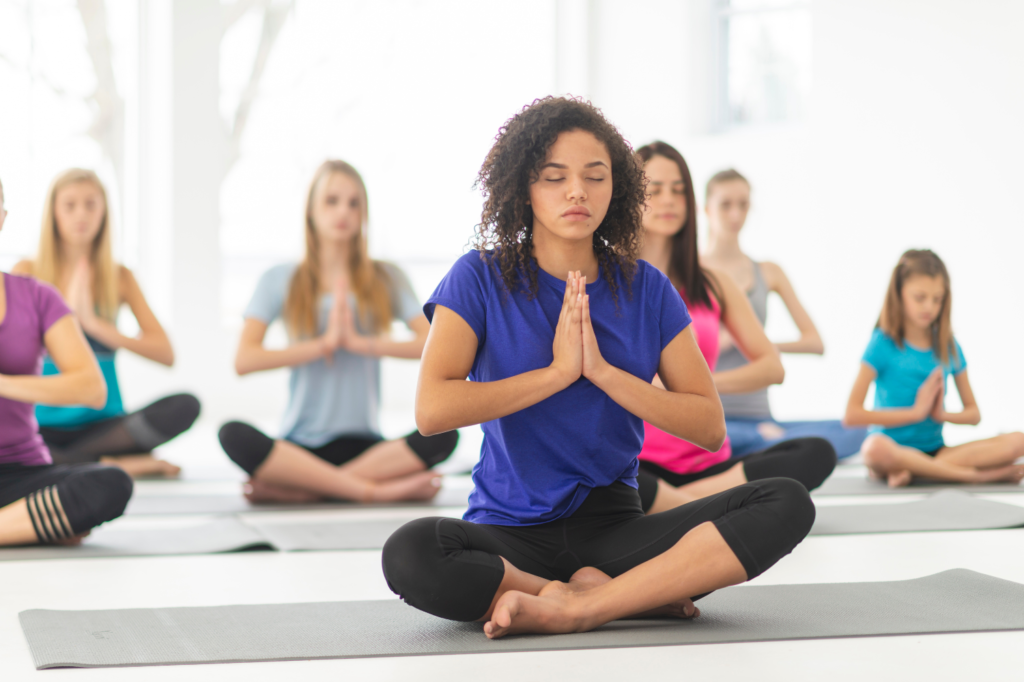
Mindfulness refers to giving complete attention to what is happening in the present. It involves noticing thoughts, emotions, and physical sensations without judging them. Instead of trying to control or suppress experiences, mindfulness encourages simple observation.
This practice has been used for centuries in different wellness traditions, especially meditation and yoga. These practices help people develop deeper awareness and emotional stability.
In modern life, the mind often runs on “autopilot.” People move quickly from one task to another while their thoughts constantly jump between past memories and future concerns. This mental habit can create emotional stress and confusion.
Mindfulness interrupts this automatic thinking pattern. It encourages the mind to return to the present moment, allowing individuals to experience more calmness and clarity.
Core Elements of Mindfulness Practice
Mindfulness practice includes several key elements that help build emotional awareness and balance.
Important elements of mindfulness include:
• Awareness of breathing and body sensations
• Observing thoughts without reacting quickly
• Accepting emotions without suppressing them
• Maintaining your focus on what is happening right now
Practicing these elements regularly helps people develop emotional resilience. Over time, the mind becomes calmer and less reactive to stressful situations.
Why Emotional Balance Is Important for Inner Growth
Emotional balance does not mean eliminating emotions. Feelings are a natural part of human life. Emotional balance means understanding and managing those emotions in a healthy way.
When emotions are balanced, people can think more clearly and respond to situations more wisely. They are less likely to respond suddenly or feel overpowered by stress.
Without emotional balance, small problems can quickly turn into big emotional reactions. Stressful events may lead to anger, frustration, or anxiety.
Mindfulness helps slow down this reaction process. By observing emotions before reacting, individuals gain better control over their responses.
Benefits of Emotional Balance
Developing emotional balance improves many aspects of life.
• Clear thinking during difficult situations
• Better communication and relationships
• Reduced emotional stress and tension
• A stronger feeling of inner calm and balance
As emotional balance grows, inner growth naturally follows. People become more aware of their habits, reactions, and patterns of thinking.
Daily Mindfulness Habits That Support Emotional Stability
Mindfulness does not require long meditation sessions. Small daily practices can gradually build emotional awareness and stability.
Mindful Breathing
Mindful breathing is one of the simplest mindfulness practices. It involves paying attention to the natural rhythm of breathing.
Steps for mindful breathing:
- Sit comfortably in a relaxed position.
- Concentrate on the natural pattern of your breathing.
- Notice the feeling of air entering and leaving the body.
- If your thoughts drift away, calmly return your focus to your breath.
Practicing mindful breathing for just a few minutes each day can calm the nervous system and reduce emotional tension.
Body Awareness Practice
Emotions often create physical tension in the body. Stress or anxiety may appear as tightness in the shoulders, neck, or chest.
Body awareness helps people notice these sensations and relax the body naturally.
Simple body awareness method:
• Sit quietly and bring attention to different parts of the body.
• Notice areas that feel tense or relaxed.
• Allow the body to soften without forcing it.
This practice improves the link between the mind and the body.
Mindfulness Meditation for Beginners
Many people start learning mindfulness through meditation. Mindfulness meditation focuses on developing awareness rather than stopping thoughts completely.
A common misunderstanding is that meditation requires an empty mind. In reality, meditation teaches individuals to observe thoughts without becoming involved in them.
Simple Beginner Meditation Practice
- Choose a quiet and comfortable place.
- Sit comfortably and gently close your eyes.
- Focus gently on your breathing.
- Notice thoughts as they appear.
- Bring your attention back to breathing whenever the mind wanders.
With regular practice, meditation improves concentration and emotional awareness.
Over time, people often notice that their thoughts become calmer and less overwhelming.
Mindfulness Exercises for Mental Clarity
Mental clarity improves when the mind is not constantly filled with unnecessary thoughts. Certain mindfulness exercises help reduce mental distractions.
Observing Thoughts
This exercise involves watching thoughts as they come and go.
Steps:
• Sit quietly and observe thoughts appearing in the mind.
• Avoid analyzing or judging them.
• Allow them to pass naturally.
This practice helps the mind learn not to react to every thought.

Mindful Walking
Mindful walking combines physical movement with awareness. It is helpful for people who prefer active forms of mindfulness.
Practice method:
• Walk slowly and notice each step.
• Notice the motion of your legs and feet as you move.
• Stay aware of your breathing while walking.
Mindful walking refreshes the mind and improves focus.
Mindfulness and Anxiety Management
Mindfulness is also helpful for managing anxiety. Anxiety often develops when people worry too much about future events.
Mindfulness helps return your focus to what is happening right now. In the present moment, many imagined worries do not exist.
By practicing mindfulness regularly, individuals learn to observe anxious thoughts instead of reacting to them immediately.
How Mindfulness Helps Reduce Anxiety
Mindfulness reduces anxiety in several ways.
• Slows down racing thoughts
• Improves emotional awareness
• Encourages calm breathing
• Creates distance from negative thinking
With regular practice, the mind becomes less sensitive to anxiety triggers.
Building a Consistent Mindfulness Routine
Consistency is important for developing mindfulness. Practicing a little every day works better than doing long sessions sometimes.
Example Daily Mindfulness Routine
Morning awareness
Spend five minutes focusing on breathing after waking up.
Midday pause
Take a short break during the day to observe thoughts and emotions.
Evening reflection
Before sleeping, notice how your mind and body feel after the day.
These simple habits gradually strengthen mindfulness.
How Mindfulness Supports Inner Growth
Mindfulness encourages deeper self-awareness. As awareness increases, people begin to recognize emotional triggers and mental habits more clearly.
This understanding helps individuals make positive changes in their behavior and mindset.
Areas of Inner Growth Through Mindfulness
• Better self-awareness
• Stronger emotional intelligence
• Improved stress management
• Clearer understanding of personal values
Over time, mindfulness helps people feel more connected with themselves and their goals.
Developing Long-Term Emotional Balance Through Mindfulness
Emotional balance develops gradually through consistent mindfulness practice. As awareness grows, individuals respond to challenges with greater patience and clarity.
Mindfulness creates a strong inner foundation that supports mental stability and personal growth.
By practicing mindful breathing, meditation, and daily awareness, individuals can develop lasting emotional balance. With time, mindfulness becomes a natural way of living that supports mental clarity, emotional well-being, and meaningful inner growth.