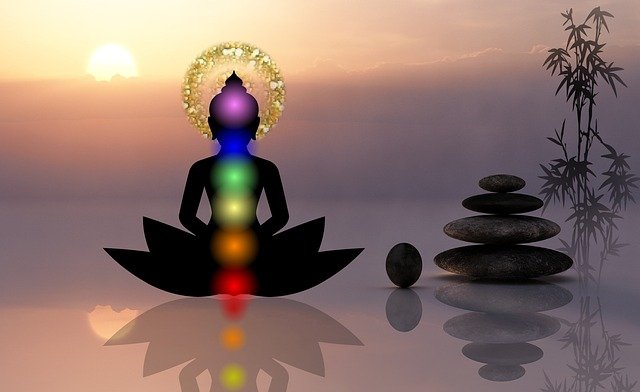
Emotional Intelligence and Wellbeing are deeply connected to how we experience life, relationships, and inner peace. In today’s fast-paced world, filled with constant distractions, pressure, and information overload, many people feel disconnected from their own emotions and inner selves. We often focus on physical health, career growth, or external achievements while ignoring the emotional patterns that quietly shape our thoughts, reactions, and relationships. Yet true wellbeing cannot exist without emotional balance, since the way we understand and manage our feelings directly influences our mental clarity, physical health, and sense of purpose. This blog takes a holistic approach by combining time-tested ancient wisdom with modern wellness practices such as meditation, yoga, mindfulness, and natural living. You will learn what emotional intelligence really means, why it matters for lasting inner peace, and how small, consistent daily habits can help you build stronger self-awareness, emotional resilience, and meaningful personal transformation on your journey toward holistic inner growth.

What Is Emotional Intelligence and Why It Matters for Wellbeing
Emotional intelligence is the ability to recognize, understand, and manage our own emotions while also being sensitive to the feelings of others. It is not about suppressing emotions but learning to respond to them with clarity instead of reacting impulsively. When emotional intelligence is strong, wellbeing naturally improves because a person feels more grounded, calm, and connected to their true self. This inner stability becomes the foundation for healthier relationships, better decision-making, and a more peaceful mind, which is why Emotional Intelligence and Wellbeing are often discussed together in holistic wellness conversations.
The Connection Between Mind, Body, and Spirit
True wellbeing cannot be achieved by focusing on just one aspect of life. The mind, body, and spirit work together as a single system, and imbalance in one area often affects the others. Ancient traditions have long taught that emotional disturbances can create physical tension, while physical practices can calm mental restlessness. This holistic view encourages people to look beyond symptoms and understand the root cause of their discomfort, whether it is emotional stress, lifestyle imbalance, or disconnection from inner values and purpose.
How Emotions Affect Physical Health
Unprocessed emotions like anger, fear, or sadness often show up in the body as fatigue, tension, or digestive issues. Long-term emotional suppression can weaken the immune system and increase stress hormones in the body. Practicing emotional awareness allows individuals to release these buried feelings in healthy ways, such as journaling, breathing exercises, or gentle movement, ultimately supporting both mental clarity and physical vitality over time.
The Role of Awareness in Emotional Balance
Awareness is the first step toward emotional intelligence. Without noticing our emotional patterns, we cannot change them. Simple daily practices such as pausing before reacting, observing thoughts without judgment, and checking in with our feelings throughout the day can significantly improve emotional regulation. This awareness gradually becomes a habit, helping individuals respond to challenges with patience rather than being overwhelmed by them.
Ancient Wisdom Meets Modern Wellness Practices
For thousands of years, spiritual traditions have offered tools to cultivate inner peace and self-mastery. Today, these same practices are being validated by modern science for their impact on mental health and emotional stability. Combining ancient wisdom with contemporary wellness techniques creates a practical, accessible path for anyone seeking to improve their emotional intelligence and overall quality of life.
Meditation for Emotional Clarity
Meditation trains the mind to observe emotions rather than get consumed by them. Regular practice, even ten minutes a day, helps reduce anxiety, improve focus, and create emotional distance from stressful situations. Over time, meditation strengthens the ability to respond thoughtfully instead of reacting emotionally, which is a core skill within emotional intelligence and long-term inner wellbeing.
Yoga as a Tool for Emotional Regulation
Yoga is not only a physical practice but also a powerful method for emotional healing. Certain postures and breathing techniques help release stored tension in the body, which is often linked to unresolved emotions. Practicing yoga consistently supports nervous system balance, reduces stress levels, and creates a sense of groundedness that carries into daily life, relationships, and personal decision-making.
Mindfulness in Daily Life
Mindfulness means being fully present in the current moment without judgment. This can be practiced while eating, walking, working, or speaking with others. Small mindful habits, such as taking three deep breaths before responding to a difficult conversation, help reduce impulsive reactions and improve emotional clarity, making mindfulness one of the simplest yet most effective tools for emotional intelligence.
Natural Living and Emotional Balance
The way we live daily life has a direct impact on our emotional state. Natural living, which includes eating whole foods, spending time outdoors, reducing screen time, and following a balanced routine, supports emotional stability. A nervous system that is overstimulated by artificial environments often struggles to regulate emotions effectively, whereas simple, natural living habits create a calmer internal environment.
Building Emotional Intelligence for Personal Transformation
Personal transformation begins when we take responsibility for our emotional patterns instead of blaming external circumstances. Developing emotional intelligence is a gradual process that requires consistent self-reflection, patience, and willingness to grow. As individuals become more emotionally aware, they naturally start making healthier choices, setting better boundaries, and building relationships based on honesty and mutual respect.
Practical Steps to Strengthen Emotional Intelligence
- Practice daily self-reflection through journaling or quiet observation
- Learn to pause before reacting during emotional situations
- Engage in regular meditation or breathing exercises
- Practice active listening in conversations with others
- Spend time in nature to reset emotional balance
These small, consistent actions build long-term emotional resilience and support deeper personal transformation over time.
The Role of Community in Emotional Wellbeing
Emotional growth becomes stronger when supported by a like-minded community. Being around people who value mindfulness, natural living, and personal growth creates a safe space for learning and healing. Wellness communities offer encouragement, shared experiences, and accountability, which are essential for anyone trying to build lasting emotional intelligence and inner wellbeing rather than pursuing growth in isolation.
Contributing to a Larger Movement: Wellness Villages and Human Upliftment
Beyond individual transformation, there is a growing vision of creating wellness villages where people can live, learn, and grow together through shared values of mindfulness and natural living. Supporting such initiatives as a member, volunteer, or contributor allows individuals to be part of a meaningful movement focused on human upliftment. This collective effort strengthens not only personal wellbeing but also builds a compassionate, conscious community for future generations.
Frequently Asked Questions
1. What is the connection between emotional intelligence and wellbeing?
Emotional intelligence helps individuals understand and manage their emotions effectively, which directly improves mental clarity, relationships, and overall wellbeing by reducing stress and emotional reactivity.
2. How can meditation improve emotional intelligence?
Meditation trains the mind to observe emotions calmly instead of reacting impulsively, helping individuals build self-awareness, patience, and emotional balance over time.
3. Can yoga help with emotional healing?
Yes, yoga combines movement and breath to release stored tension in the body, supporting nervous system balance and helping individuals process and regulate emotions more effectively.
4. What role does natural living play in emotional balance?
Natural living practices, such as eating whole foods, spending time outdoors, and reducing digital overstimulation, help calm the nervous system, which supports better emotional regulation and mental clarity.
5. How can I start building emotional intelligence in daily life?
Start with small habits like daily reflection, mindful breathing, pausing before reacting, and practicing active listening. Consistency in these small actions leads to meaningful emotional growth over time.