
Anxiety is among the most common mental health issues people face today. People often feel uneasy, tense or anxious without a clear cause. While medications and therapy are helpful mindfulness offers a powerful tool that anyone can use. Mindfulness helps you become aware of your thoughts and emotions without judgment. It is a practice that can bring calm focus and balance to your daily life. In this beginner’s guide, we will explore how mindfulness can relieve anxiety and how you can start your journey today.
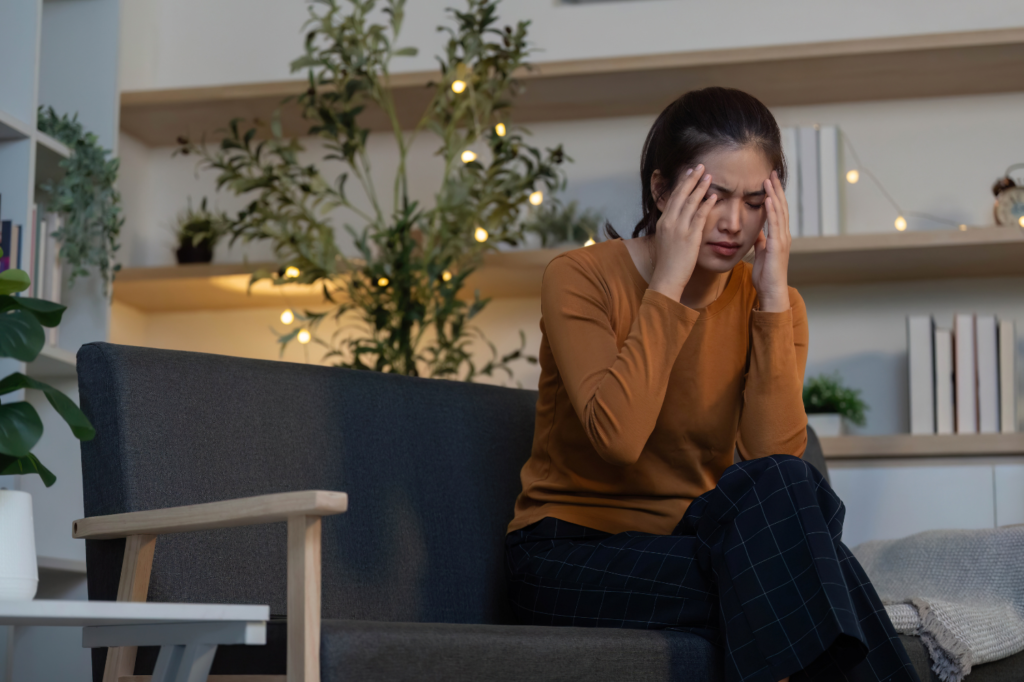
Understanding Mindfulness and Anxiety
Mindfulness means focusing your attention on the present moment. It is about noticing your thoughts, feelings and physical sensations without trying to change them. Anxiety on the other hand often comes from worrying about the future or overthinking the past. By practicing mindfulness, you train your mind to stay in the present moment. This helps reduce the constant worry and tension that anxiety brings.
Research shows that mindfulness can lower stress levels, improve emotional regulation, and even enhance physical health. People who practice mindfulness consistently often feel calmer and more focused. Unlike other techniques, mindfulness does not require special equipment or a lot of time. You can practice it anywhere, anytime, which makes it perfect for busy lifestyles.
How Mindfulness Reduces Anxiety
Mindfulness reduces anxiety by changing the way your brain reacts to stress. When you are anxious, your mind often enters a state of overthinking or panic. Mindfulness teaches you to observe these thoughts without getting caught up in them. With time this lowers both the strength and frequency of anxious thoughts.
Another way mindfulness helps is by focusing on your breathing and body sensations. Deep breathing slows down your heart rate and signals your brain that you are safe. Mindfulness also helps break the cycle of negative thinking. When you notice a thought causing anxiety, you acknowledge it and let it pass instead of letting it control you.
Simple Mindfulness Techniques for Anxiety Relief
For beginners, starting with simple techniques is key. These practices do not take long but can have a big impact on reducing anxiety.
Mindful Breathing
Mindful breathing is one of the simplest ways to practice mindfulness. Sit or lie down comfortably. Close your eyes and focus on your breath. Notice the air entering and leaving your body. If your thoughts drift softly guide your focus back to your breathing. Practicing mindful breathing for just five minutes a day can reduce anxiety and improve focus.
Body Scan Meditation
Body scan meditation involves paying attention to each part of your body. Start from your toes and slowly move up to your head. Notice any tension, discomfort, or sensations. Do not try to change anything, just observe. This practice helps you connect with your body and release physical tension caused by anxiety.
Mindful Walking
Mindful walking combines movement with mindfulness. Walk slowly and focus on each step. Notice the ground under your feet and how your legs move. Notice the sounds, smells, and sights around you. Mindful walking is especially useful for people who find sitting meditation difficult.
Mindful Journaling
Writing down your thoughts is a form of mindfulness. Each day take a few minutes to write about your feelings and experiences. Do not judge what you write. Journaling helps you understand your triggers and patterns of anxiety. Over time it becomes a tool for self reflection and stress relief.
Creating a Daily Mindfulness Routine
Consistency is crucial when it comes to mindfulness and anxiety relief. Creating a daily routine helps your mind and body adapt to mindfulness practices. Start with small steps. Dedicate five to ten minutes each morning or evening for mindful exercises. Slowly lengthen the time as you start feeling comfortable.
You can also integrate mindfulness into daily activities. Eating, brushing your teeth, or washing dishes can become opportunities to practice mindfulness. Focus on the sensations, movements, and experience of each activity. This not only reduces anxiety but also enhances your awareness and appreciation of everyday life.
Common Challenges for Beginners
Beginners may face some challenges when starting mindfulness for anxiety relief. It is normal for your mind to wander or for thoughts to feel overwhelming. Do not judge yourself for this. Mindfulness is not about stopping thoughts but about noticing them without reacting.
Another challenge is impatience. Many people expect immediate results. While mindfulness can bring calm quickly in some cases, lasting change takes time. Be patient and gentle with yourself. Even a few minutes of mindful practice every day can make a noticeable difference over weeks and months.
Mindfulness in Daily Life
Mindfulness is not limited to meditation or breathing exercises. It can be applied in almost any situation. During stressful moments, take a few deep breaths and focus on the present. Notice your physical sensations and emotions without judgment. This breaks the cycle of anxiety and helps you respond calmly.
At work, mindfulness can improve focus and productivity. When anxious thoughts arise, acknowledge them and bring your attention back to the task at hand. Mindful communication also reduces misunderstandings. By fully listening and observing, you respond rather than react, which lowers anxiety in relationships.
Benefits of Mindfulness for Anxiety
The benefits of mindfulness go beyond anxiety relief. Practicing mindfulness regularly can improve sleep, boost mood, and enhance overall well-being. It strengthens your ability to cope with stress and build emotional resilience. Mindfulness also improves self-awareness, which helps you recognize patterns of anxious thinking before they escalate.
Physical benefits are significant as well. Mindfulness can lower blood pressure, reduce tension headaches, and improve digestion. When combined with other healthy habits such as exercise and balanced nutrition, mindfulness becomes a powerful tool for total well-being.
Tips for Successful Mindfulness Practice
To get the most from mindfulness for anxiety relief, follow these simple tips.
- Start with small steps: Practice for five to ten minutes each day. Gradually increase the time.
- Stay consistent: Practice daily at the same time to build a habit.
- Create a quiet space: A calm environment helps you focus better.
- Be gentle with yourself: Do not judge your thoughts or progress.
- Use guided sessions: Apps and videos can help beginners stay on track.
- Combine with other tools: Mindfulness works well with therapy, exercise, and good sleep.
When to Seek Professional Help
While mindfulness is effective for mild to moderate anxiety. It is not a replacement for professional help in severe cases. If anxiety interferes with daily life, causes panic attacks, or leads to depression, consult a mental health professional. Mindfulness can complement therapy and medication but should not be the only treatment in severe cases.
Final Thoughts
Mindfulness is a simple yet powerful practice that can bring calm and clarity to your life. For beginners, it may take time to notice changes, but persistence pays off. By incorporating mindful breathing, body scans, walking, and journaling, you can reduce anxiety and improve overall well-being.
Remember, mindfulness is about observing without judgment and being present in the moment. Anxiety does not have to control your life. With regular practice, mindfulness becomes a tool to manage stress, build resilience, and enjoy life fully.
Start small, stay consistent, and be patient. Your journey to anxiety relief and inner calm begins with one mindful moment at a time.