
Introduction
Mindfulness Meditation for Beginners is a simple and powerful practice that helps you stay present reduce stress and improve mental and emotional well-being. Many beginners feel overwhelmed when they start, but with consistent practice and simple daily exercises anyone can experience the benefits of mindfulness.
Practicing mindfulness allows you to observe your thoughts and feelings without judgment, bringing clarity, calmness and inner peace into your life. This guide will take you step-by-step through mindfulness meditation for beginners, including practical exercises, tips and techniques.
Mindfulness is not just a trend — it is a lifestyle. By learning to live in the present, you can break free from past regrets and future worries, improving your overall happiness and mental health.
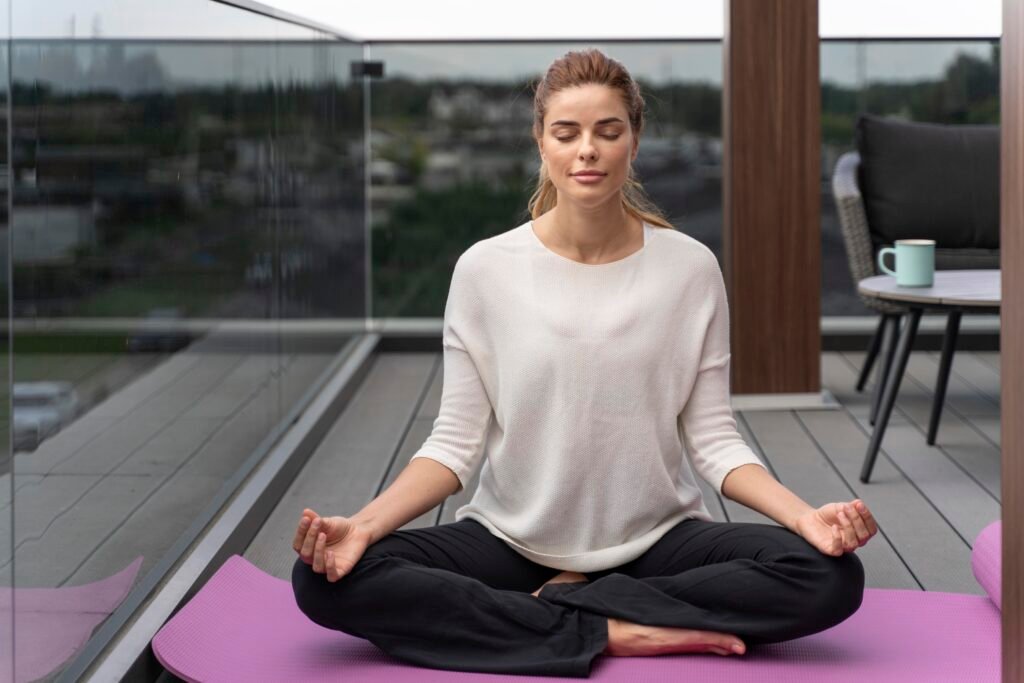
What is Mindfulness Meditation?
Mindfulness meditation is the practice of paying attention to the present moment intentionally and without judgment. Unlike ordinary thinking mindfulness encourages awareness of your thoughts emotions and physical sensations helping you create balance in mind and body.
Key benefits include:
- Reduced stress and anxiety
- Improved concentration and focus
- Emotional stability and better self-awareness
- Better sleep and relaxation
- Increased creativity and problem solving ability
By practicing mindfulness regularly, you strengthen your mind-body connection, which is essential for overall wellness. Studies show that people who practice mindfulness consistently experience lower levels of stress hormones, improved immune function and enhanced emotional resilience.
Why Mindfulness Meditation is Important for Beginners
New learners usually deal with stress distractions and unwanted negative thoughts. Mindfulness meditation provides a structured method to manage these challenges. When you simply notice your thoughts without reacting, you develop emotional resilience and a calm mind.
Mindfulness also improves your ability to respond consciously rather than react impulsively — a skill valuable for decision making, personal growth, and maintaining mental clarity.
Moreover mindfulness can improve relationships. By being fully present during conversations and interactions. You become a better listener and a more empathetic friend partner or colleague.
How to Start Mindfulness Meditation for Beginners
1. Find a Quiet Space
Choose a calm distraction free place. A quiet space helps you focus and relax during meditation. You may also use nature sounds or soft music to improve the experience.
2. Sit Comfortably
Sit on a chair or cushion with your back straight but relaxed. Comfort allows you to focus fully on the meditation without physical strain. You can also try lying down. If sitting is uncomfortable but avoid falling asleep.
3. Focus on Your Breath
Close your eyes and observe your breathing. Notice the inhale and exhale. If your mind wanders, gently bring your focus back to your breath. You can count your breaths or silently say “inhale” and “exhale” to maintain attention.
4. Start with Short Sessions
Begin by practicing 5–10 minutes daily and raise it to 20–30 minutes as your confidence grows. Regular short sessions are more effective than long ones.
5. Observe Without Judgment
Notice your thoughts and feelings without labeling them as good or bad. This develops self-awareness and promotes inner calm. Remember, mindfulness is about noticing, not controlling.
Easy Mindfulness Exercises for Beginners
Here are some beginner friendly exercises to incorporate mindfulness into your daily life.
- Body Scan Meditation: Focus on sensations in each part of your body from head to toes without judgment. This helps you release tension and become aware of subtle physical sensations.
- Mindful Walking: Walk slowly, noticing each step, your breathing, and your surroundings. You can practice this during a short walk outside or even inside your home.
- Mindful Eating: Eat slowly noticing taste texture and aroma of each bite avoid distractions like TV or phones to truly experience your food.
- Gratitude Journaling: Write down three things you are grateful for each day. This simple habit fosters positivity and mindfulness in everyday life.
- Mindful Breathing: Take short breaks during the day to focus solely on your breath especially during stressful moments. Even 1–2 minutes of conscious breathing can calm your mind.
You can also combine these exercises with guided meditation apps or online video tutorials. Which are especially helpful for beginners.
Tips for Maintaining Your Mindfulness Practice
- Meditate at the same time each day to develop consistency. Morning or evening sessions are ideal.
- Use guided meditation apps to support your practice. Many apps offer short exercises for beginners.
- Be patient mindfulness improves gradually with daily practice. Do not expect instant results.
- Avoid self judgment if your mind wanders gently return to focus.
Even a few minutes daily can significantly improve mental clarity, emotional balance, and overall well-being. Over time, these practices help you manage stress better and improve your overall quality of life.
Mindfulness in Daily Life
Mindfulness is not limited to meditation sessions you can practice mindfulness in daily activities such as.
- Mindful Listening: Give full attention during conversations, noticing the tone and words without distractions.
- Mindful Breaks at Work: Take a few minutes to breathe and reset. During work helping reduce tension and increase productivity.
- Mindful Chores: Be present while doing everyday tasks like washing dishes or folding laundry. This turns routine work into meditative practice.
- Mindful Technology Use: Take breaks from screens and observe your thoughts instead of getting caught in social media or news.
Applying mindfulness in daily life enhances your awareness, reduces stress and creates a more peaceful and meaningful routine.
Common Challenges for Beginners
Beginners often face.
- Restless Mind: Thoughts keep interrupting focus this is normal everyone experiences it.
- Time Constraints: Finding time for meditation feels hard especially with busy schedules.
- Impatience: Expecting immediate results can lead to frustration.
Solutions:
- Start with short sessions 5–10 minutes daily and gradually increase.
- Incorporate mindful pauses throughout the day to stay connected.
- Focus on progress, not perfection, and celebrate small achievements.
Advanced Mindfulness Techniques
Once comfortable with basic exercises you can try.
- Loving-Kindness Meditation (Metta): Send positive wishes to yourself and others. Helping improve empathy and emotional balance.
- Mindful Visualization: Imagine peaceful scenes to deepen relaxation and focus.
- Mindfulness with Mantras: Repeat words or phrases silently to maintain attention and reduce distractions.
These advanced techniques can help you deepen. Your practice and experience greater mental clarity and emotional resilience.
Conclusion
Mindfulness Meditation for Beginners is a transformative practice. By dedicating even a few minutes daily, you can reduce stress, improve focus, enhance emotional balance and achieve inner peace. Start small, stay consistent and gradually integrate mindfulness into your daily life.
Remember mindfulness is not about perfection. It is about presence. Every time you return your focus to the present moment. You strengthen your mind and nurture. Your inner peace over time mindfulness becomes a natural part of your life helping you live more fully calmly and happily.