Is your workload getting too much to handle? Don’t be concerned everyone faces difficult times in life. One approach to tackle it is through aromatherapy for stress relief. Aromatherapy uses scent to soothe and calm the mind and body. It is a natural way to de-stress and relax. In this blog, we will discuss what aromatherapy is, how it works, and the magnificent benefits of aromatherapy for relaxation. With five straightforward sections, you can feel better every day. Ready to breathe well? Let’s dive in!
1. Aromatherapy: What It Is and How It Works?
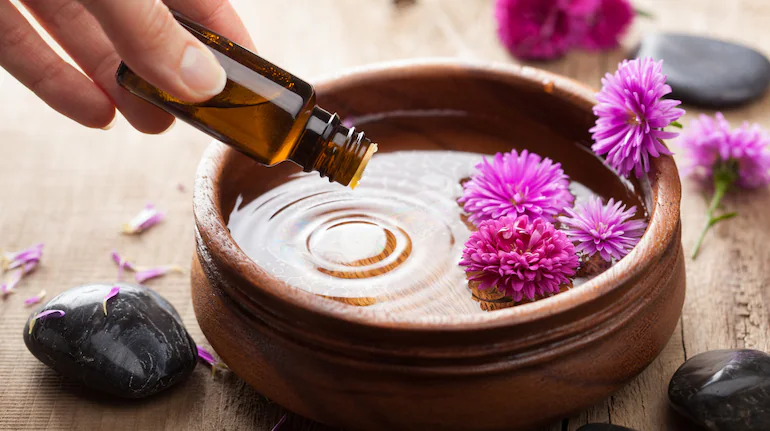
To put it simply, aromatherapy is using scents to heal the body. It involves the use of essential oils, which are oils derived from plants such as flowers, trees, and herbs. When used as perfumes, these oils have a pleasant smell that is good for the psychological and physiological aspects of the body. Inhaling such scent or applying some oil to the skin sends a message to the body to relax.
The benefits of aromatherapy serve to highlight how each scent interacts with the body. For instance, every brain has a limbic system that controls emotions and memories, supporting emotional resilience. So, when you smell something like lavender, it activates that part of the brain and tells it to calm down. This is why aromatherapy for stress relief is so familiar. It’s an effortless and effective way to calm down.
2. Essential Oils and Their Role in Stress Relief
Essential oils are the primary focus of aromatherapy for stress relief, and they have specific stress-relief aromatherapy to mitigate stress. A few of the best stress relievers, together with the benefits of aromatherapy, are as follows
- Lavender: This oil helps with relaxation. It effectively lowers heart rate, ultimately leading to better sleep.
- Peppermint: If you feel foggy, peppermint is supremely effective in refreshing the mind. Moreover, this oil helps ease tension headaches.
- Chamomile: Chamomile is known for its calming vibes and certainly does a better job than any other oil when it comes to relaxing. This oil melts anxiety like a warm hug.
- Ylang-Ylang: Known for balancing emotions, the Ylang-Ylang scent aids in achieving a peaceful disposition.
Applying these oils can reduce stress levels and make you feel lighter. This demonstrates the effectiveness of aromatherapy for stress relief and highlights the wonders these small bottles can do for your health.
3. How Aromatherapy Encourages Relaxation
What is it about aromatherapy for stress relief that makes it feel so good? Let us pause for a second and look at how it facilitates slowing down the body and mind. The benefits of aromatherapy for relaxation are evident, here’s how they function
- Calms Your Nerves: Lavender and chamomile scents instruct your nerves to slow down, decreasing tension.
- Improves Sleep: A relaxed mind does perform better, and aromatherapy, along with positive thinking enables smooth sailing towards bedtime.
- Mood Enhancer: The scent of citrus can lift your spirits and make negative emotions easier to handle.
- Eases Muscle Tension: Eucalyptus oils can alleviate muscle tightness when massaged into the muscles.
Applying a few dabs of lavender oil to the wrists during stressful moments is one of the most popular and effective uses of aromatherapy for stress relief many people report feeling calmer within minutes. Aromatherapy for stress relief has this effect, giving you a fast, natural way to attain tranquility.
4. Best Aromatherapy Techniques for Stress Management
Let’s get started on using aromatherapy for stress relief. With all the techniques available, we can assure you that the benefits of aromatherapy will be evident from the start. Below are the best practices:
- Diffuser Magic is the most used technique. You put a few drops of oil in a diffuser and some water to use it. The whole room has a soothing scent that helps with unwinding.
- Inhale Directly: Using aromatherapy starts here. Place a drop of essential oil on your hands, rub them together and inhale deeply.
Together with controlled breathing, you will instantly be calm. - Bath Bliss: Add a spoonful of coconut oil to 5-10 drops of essential oil. Once you’ve done this, soak in a warm bath and relax.
- Massage Mix: Blend essential oil with carrier oil such as almond oil, and use it to massage your shoulders and feet.
- Pillow Trick: Put a drop of lavender oil on a pillow before bed and enjoy a restful night.
Each of these methods is easy to practice. Adding aromatherapy for stress relief is easy and practical. Choose one technique and let the benefits of aromatherapy soothe you.
5. The Use of Aromatherapy in Your Daily Routine
Aromatherapy stress relief can be done at any time! Here’s how to make aromatherapy work in your favor.
- Morning Start: Diffuse citrus oil in the morning as you prepare for work; this dramatically improves your mood and starts your day positively.
- Work Break: Use peppermint essential oil. Keep it in your desk drawer and inhale a few times whenever you need a refresh.
- Evening Wind-Down: Lavender works well when added to a diffuser or in a bath. This will help you ease stress from the day.
- On the Go: Take the essential oil you like the most and fill a roller bottle with it. Apply it to your wrists when you feel stressed to relieve tension.
- Sleepy Time: You can spray chamomile oil on your bedding which makes it comfy and soothing.
Implementing these small rituals makes aromatherapy for stress relief effortless, enhancing mental health and wellbeing. After some time, you will question how you survived without its benefits!
Unwind With Aromatherapy Today
Aromatherapy is not merely a marketing gimmick but one of the gentlest methods for resolving stress and finding tranquility. It has limitless benefits, such as calming the mind and helping individuals sleep deeply. When you implement aromatherapy for stress relief, you offer yourself tranquility in a chaotic world. Start with small efforts, perhaps a diffuser, and notice how it enhances your day. Start with one oil today lavender is the easiest to begin with and notice how your body and mind respond.
FAQs About Aromatherapy for Stress Relief
1. What is aromatherapy?
Aromatherapy is the use of essential oils from plants, flowers, or herbs to relax the mind and body. It can help reduce stress, improve mood, and promote better sleep.
2. How does aromatherapy relieve stress?
When you inhale or apply essential oils they send signals to the brain’s limbic system. Which controls emotions and memories supporting self care tips for holistic wellness. This triggers relaxation and reduces tension naturally.
3. What are the best essential oils for reducing stress?
- Lavender: Helps with relaxation and better sleep
- Peppermint: Refreshes the mind and eases headaches
- Chamomile: Reduces anxiety and promotes calmness
- Ylang-Ylang: Balances emotions and creates a peaceful mood
4. What are the best ways to use aromatherapy?
- Use a diffuser in your room
- Inhale directly from your hands
- Add essential oils to a warm bath
- Mix with carrier oil for massages
- Place a drop on your pillow before going to bed
5. Can aromatherapy be used daily?
Yes! You can start your morning with citrus oil, refresh at work with peppermint, relax in the evening with lavender, or use a roller bottle on-the-go for instant calm.
6. Is aromatherapy safe?
Aromatherapy is generally safe when essential oils are used correctly. Avoid applying undiluted oils directly to skin and consult a doctor if you have allergies or medical conditions.
7. How soon can I feel the benefits of aromatherapy?
Many people notice relaxation immediately, especially with inhalation or massage. Regular use improves sleep, mood, and overall stress management over time.